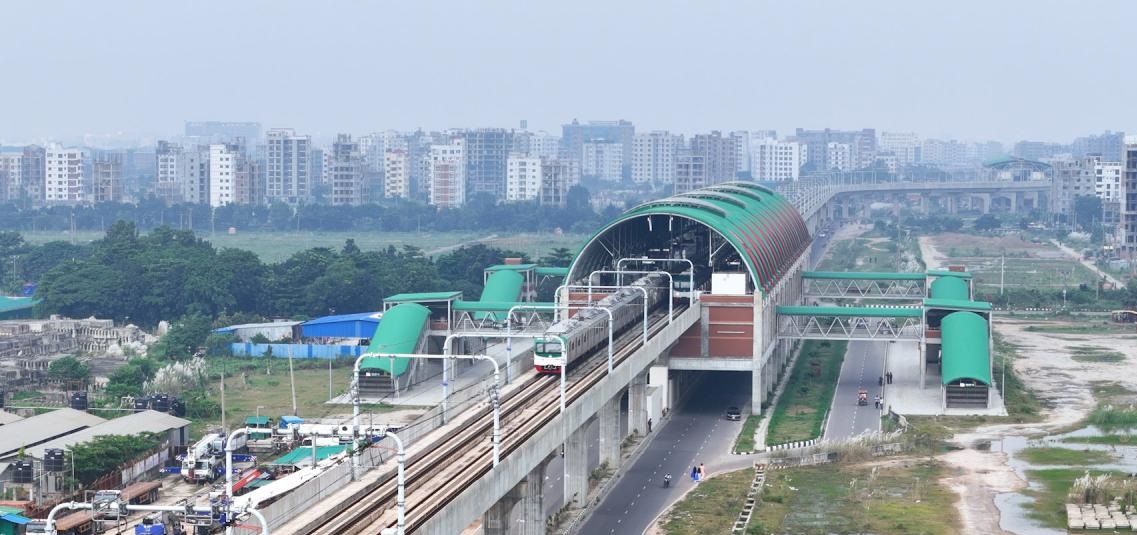
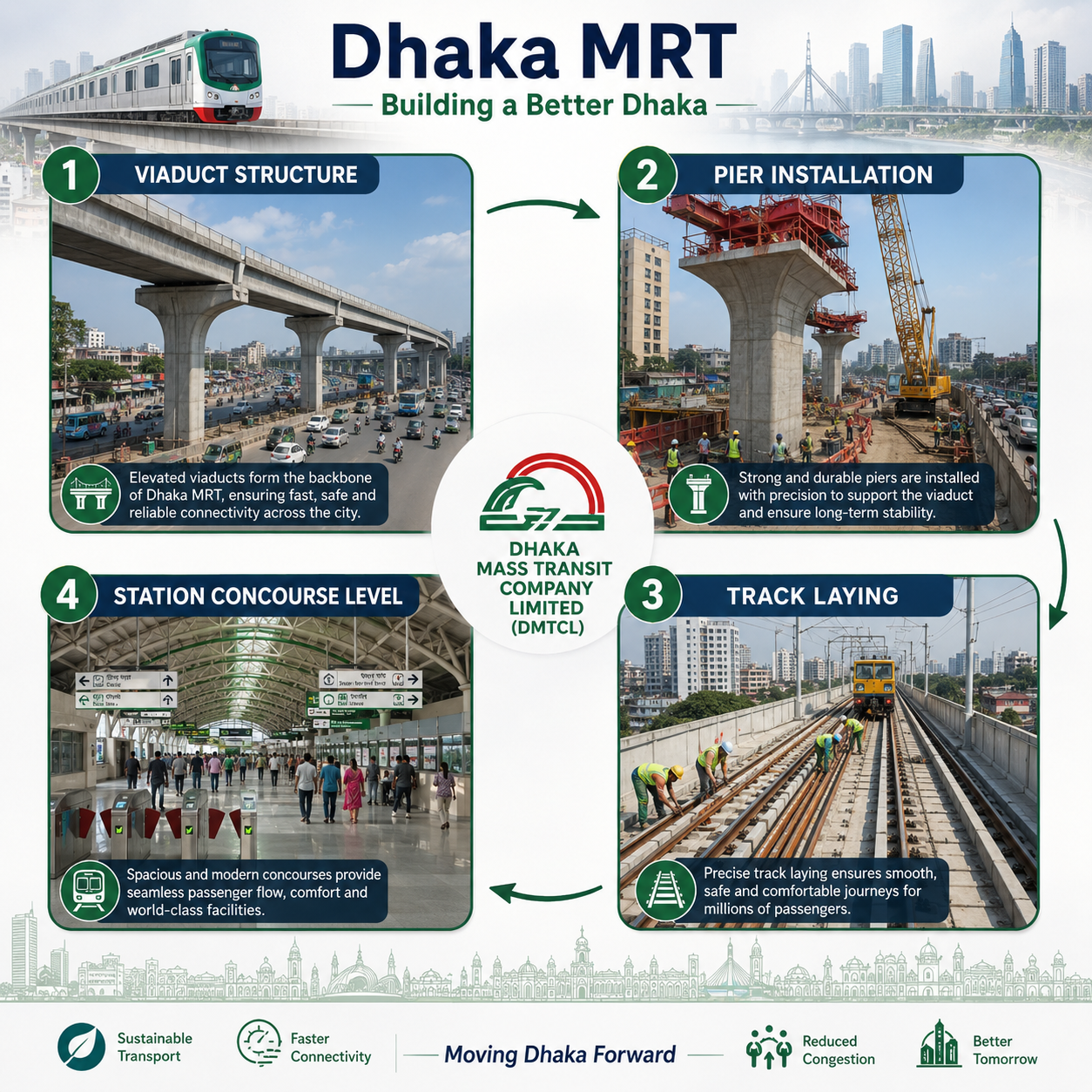
The Dhaka Metro gliding effortlessly above the city's busy streets.
Urban Mobility · Megaproject · Dhaka
Dhaka MRT: From Gridlock to Gliding
Published:
If you've ever tried to get across Dhaka in the middle of the day, you know what traffic really means. Between the honking, crowded buses, and hours lost on a rickshaw or CNG, just moving around used to feel exhausting. Then the Dhaka Metro came along and actually changed things. Whether you're riding the AC coaches on Line-6 every day or just watching the city change, here is a look at how we finally got a metro and what went into building it.
🌍 1. The Big Dream: Planning, Feasibility, & Strategic Vision
Nobody built a metro on a whim. Traffic in Dhaka had gotten so bad it was choking the city and wearing everyone down.
📍 Location and Route Connection
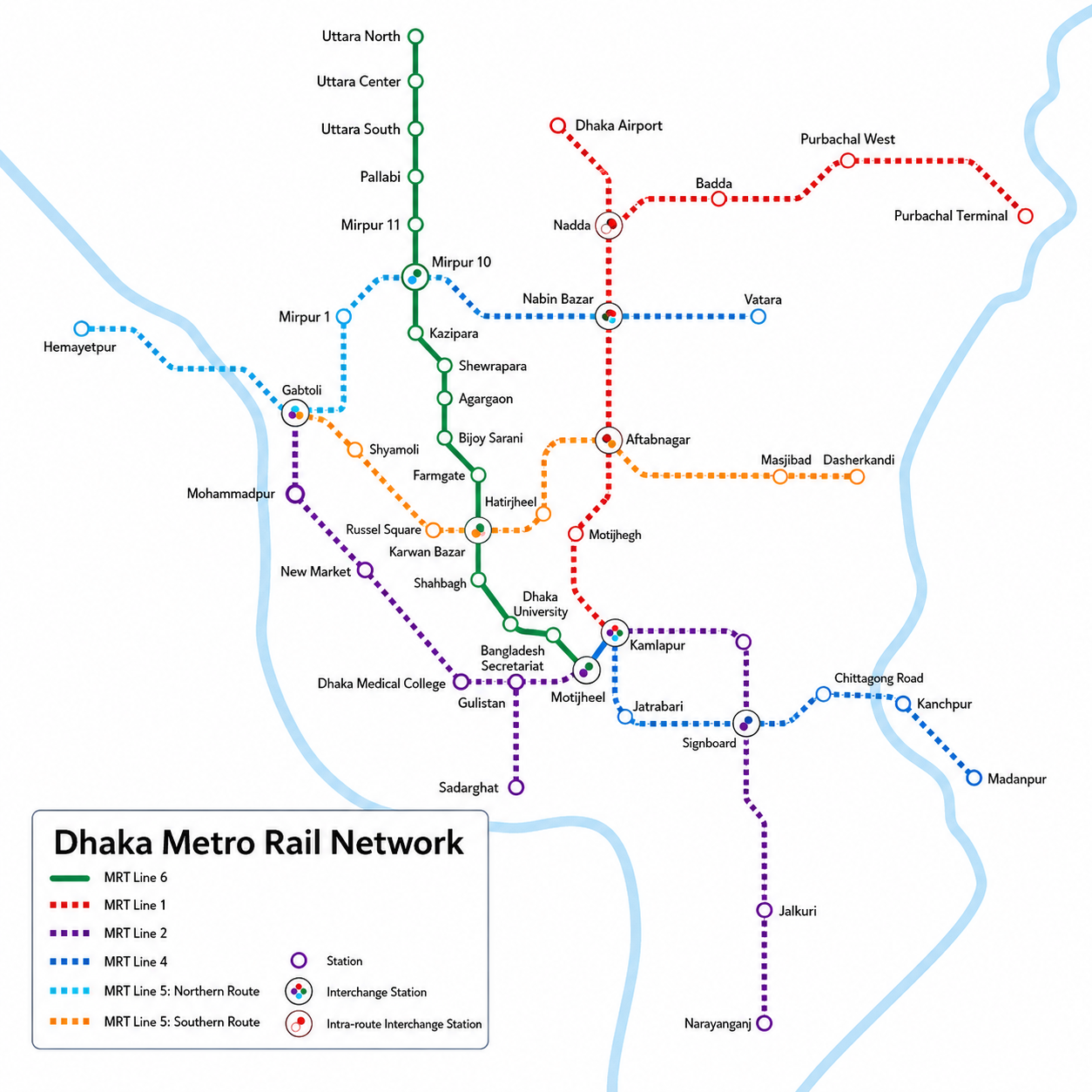
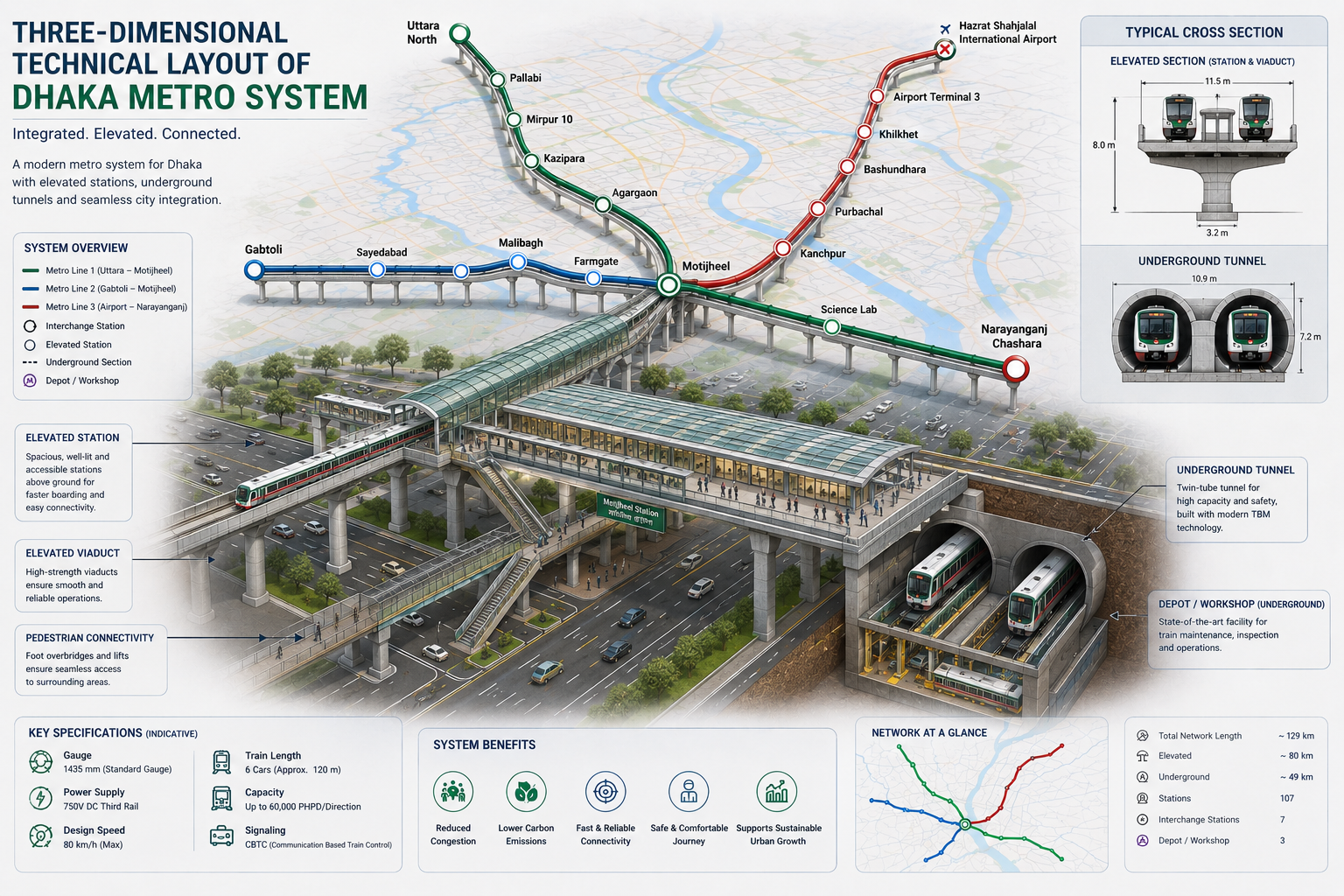
MRT Line-6 runs from Uttara North down to Motijheel, with work moving toward Kamalapur. It cuts straight through the busiest parts of the city, linking neighborhoods, schools, and business districts.
Dhaka MRT Route Map and Station Alignment
🎯 The Master Plan & Demand Forecasting
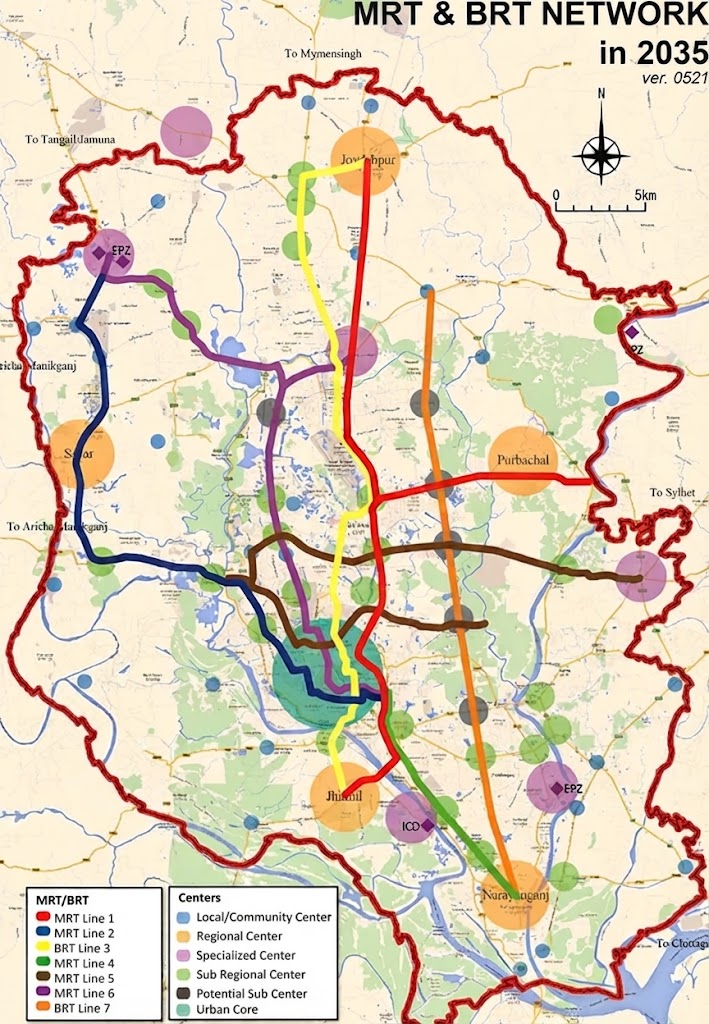
Planners updated the Strategic Transport Plan because fixing the roads alone wasn't going to cut it. They needed a dedicated rail network to actually get people out of the gridlock.
Strategic Transport Plan mapping for Dhaka's network
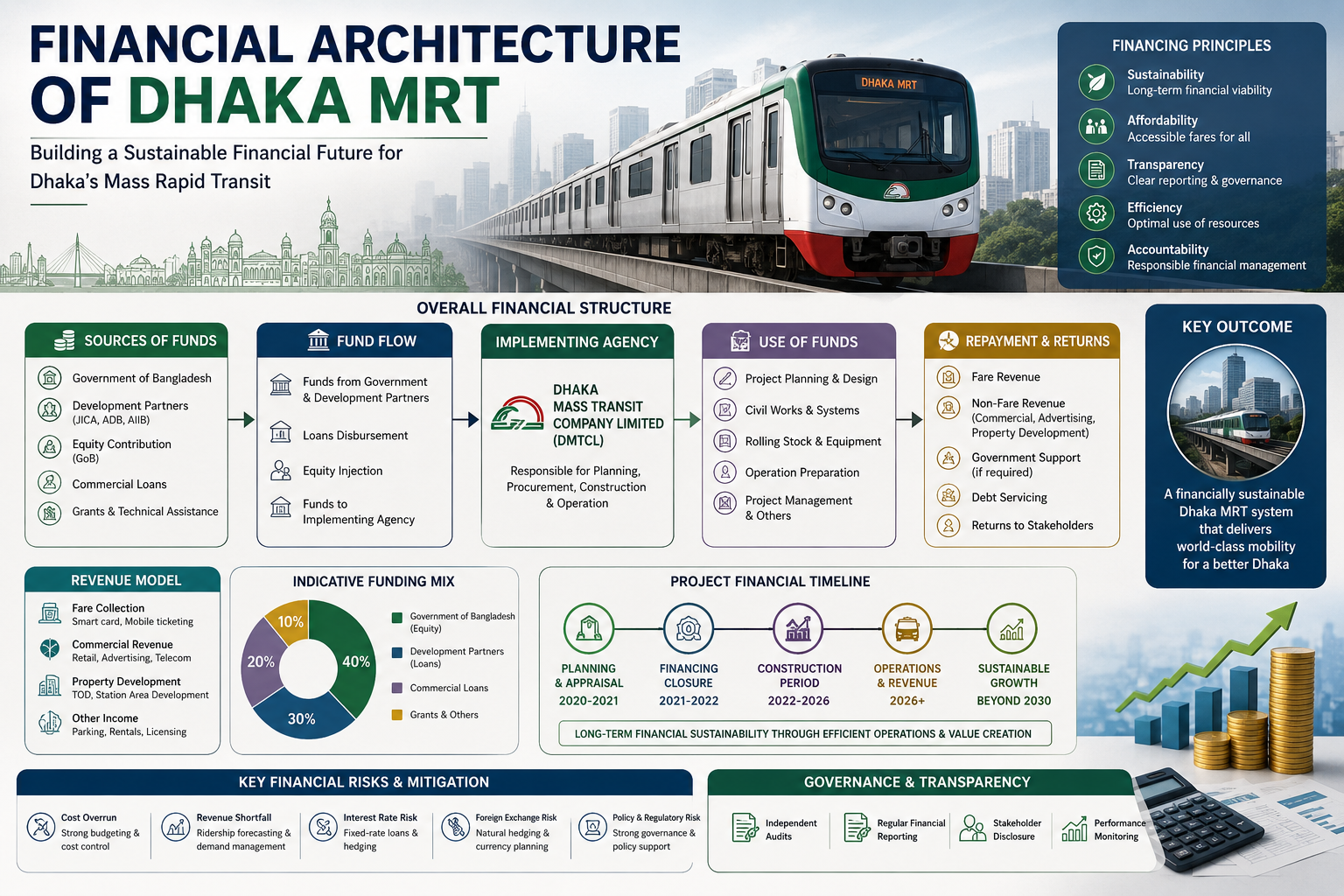
A project this big takes serious backing and careful management:
Financial Architecture of Dhaka MRT
• Capital Expenditure: Mostly funded through a partnership between Bangladesh and Japan via JICA, with extra support from the ADB for later lines.
• Contract Packaging (CP): The work was split up into separate packages for the depot, civil structures, trains, power systems, and signaling.
• Economic & Financial Sustainability: Fares are kept reasonable for the public, while things like station shops and ads help keep it running long-term.
Putting a heavy railway right through one of the most crowded cities on Earth was no joke:
🌊 Geotechnical Realities & Deltaic Soil Mechanics
The ground here is soft silt, so normal building methods wouldn't work. Engineers had to drive deep piles and heavy bearings to handle the soil and keep things steady.
🏗️ Viaduct Structures and Twin-Column Configurations
The tracks sit on concrete viaducts supported by single columns right down the middle of the roads to save space.
• Main Alignment: Line-6 is completely elevated for 21.26 kilometers.
• Rolling Stock: Stainless steel cars built by Kawasaki Heavy Industries in Japan.
• Depot Infrastructure: A large facility at Diabari with automated train washes and maintenance tracks.
📏 Safety, Clearance, and Ancillary Systems
Running a fast train safely takes a lot of backup systems:
Three-dimensional technical layout of the metro system.
• Operating Speed: Built to hit speeds up to 100 km/h.
• Signaling: Uses CBTC signaling to keep trains spaced safely apart.
• Safety Architecture: Includes automated ventilation, fire systems, and emergency plans.
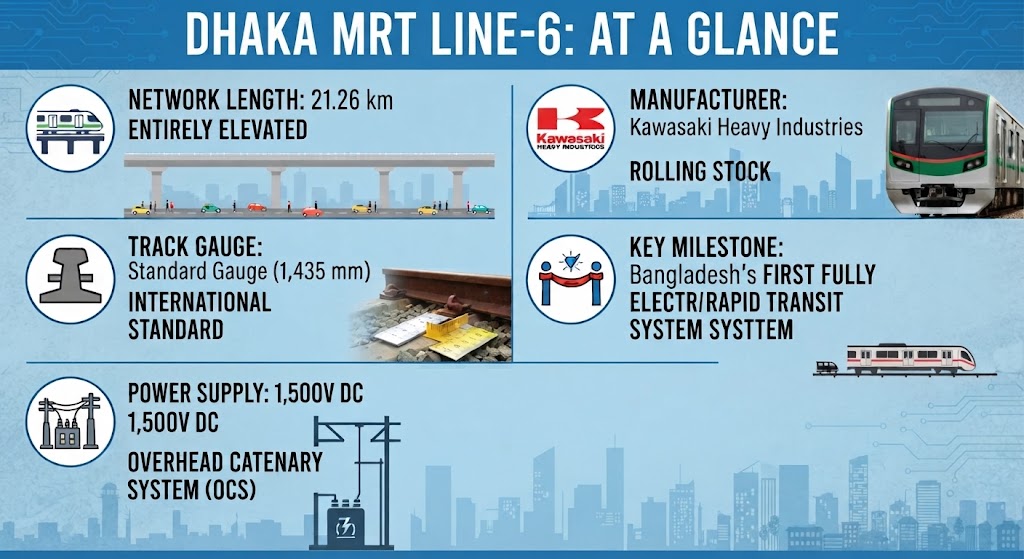
At A Glance
• Network Length: MRT Line-6 is 21.26 kilometers long and fully elevated.
• Track Gauge: Standard gauge ($1,435\text{ mm}$).
• Power Supply: $1,500\text{ V}$ DC overhead lines.
• Manufacturer: Kawasaki Heavy Industries.
• Key Milestone: The country's first electric mass transit system.
Dhaka MRT at a Glance
💵 4. Project Management, Construction Progress, & Quality Control
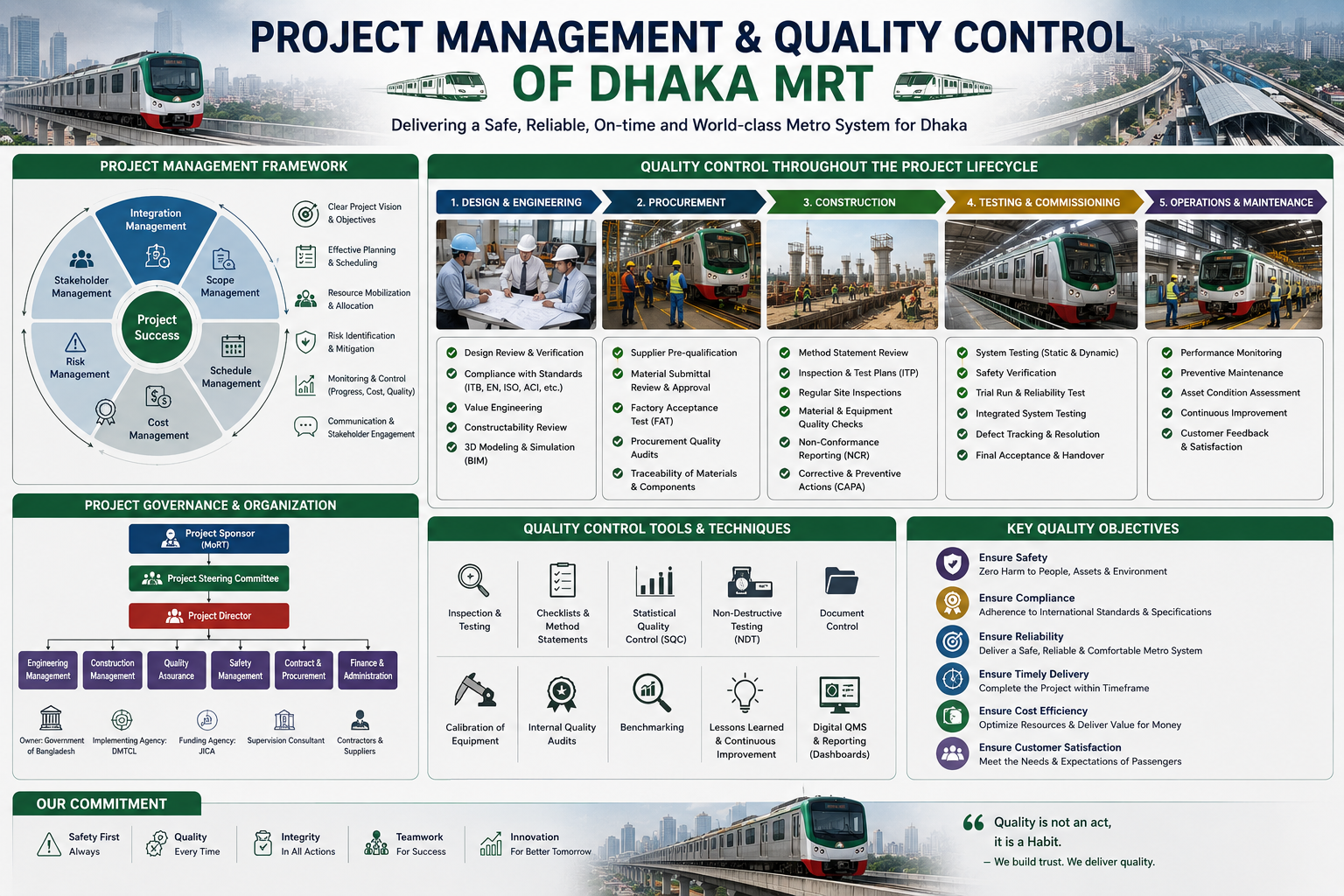
Project Management and Quality Control
Building this while millions of people and vehicles moved right past the construction sites took a lot of tight coordination:
• Phased Rollout: They opened it in chunks—first Uttara to Agargaon, then down to Motijheel—so people could use it sooner.
• Quality Assurance (QA/QC): Every batch of concrete was lab-tested to make sure it was strong enough.
• Utility Relocation: Underground gas, water, and power lines had to be moved without cutting off the city.
📉 Overcoming Logistical Hurdles
Even with tight spaces and pandemic-related supply chain issues, the teams kept things moving through careful scheduling.
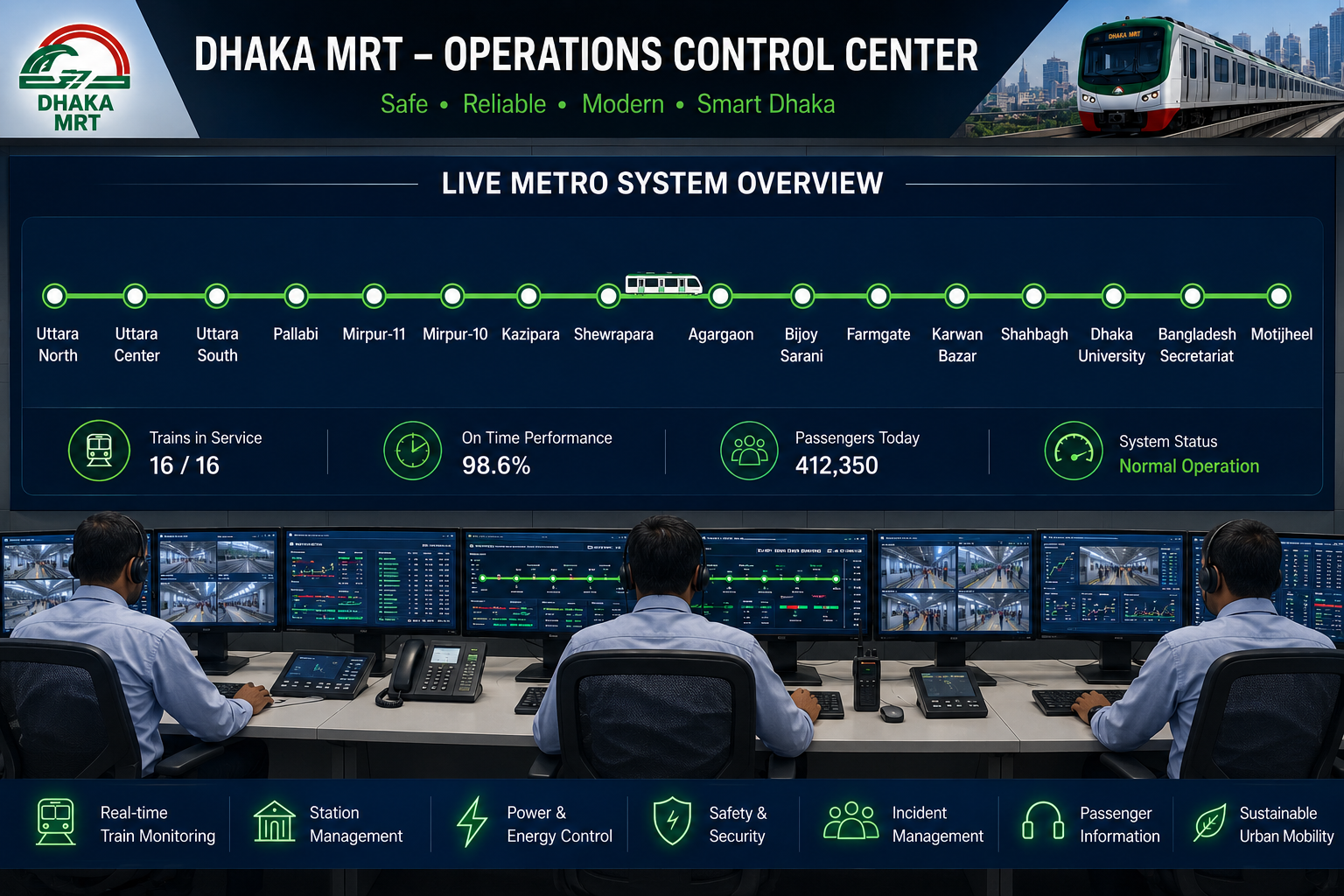
Operations Control Center (OCC) for round-the-clock network monitoring
⚖️ 5. Environment, Health, Safety (HSE), & Social Impact
A project like this has to look out for the city while it's being built:
• Green Transit Transition: Going electric helps cut down on fuel use and lowers air pollution along the main roads.
• HSE Compliance: Workers wore proper safety gear, scaffolding was checked regularly, and water cannons kept the dust down.
• Land Acquisition & Social Resettlement: Resettlement plans were used to make sure anyone affected by the construction got fair support.
• Urban Sprawl Mitigation: Helps guide how the city grows instead of letting it spread out randomly.
Before opening it to the public, they ran exhaustive tests:
• Smart Signaling: Advanced signaling keeps trains moving close together safely during rush hour.
• Passenger Safety Systems: Platform screen doors keep people from accidentally falling onto the tracks.
• Seamless Ticketing: Automated gates take contactless cards for quick entry.
• Time Savings: Turns a trip that used to take hours into a ride under 40 minutes.
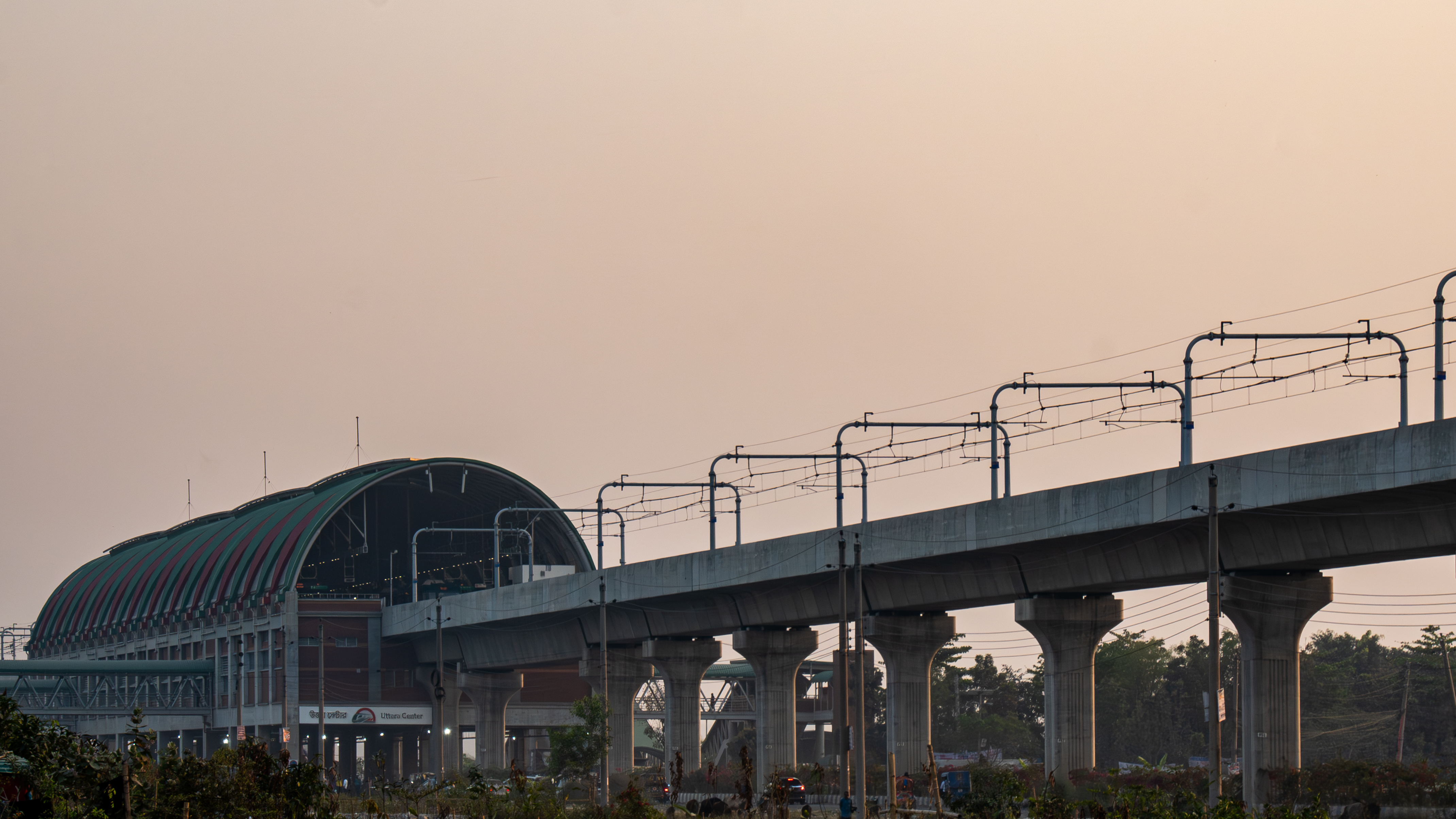
Metro Station (Uttara North)
🚀 7. Futuristic Planning & Bold Government Steps
One line isn't enough for a city like Dhaka, so plans were made for a much bigger network.
📊 Pioneering Underground Transit (MRT Line-1)
Instead of staying elevated everywhere, authorities decided to build MRT Line-1, the country's first underground metro, running from the Airport to Kamalapur and Purbachal.
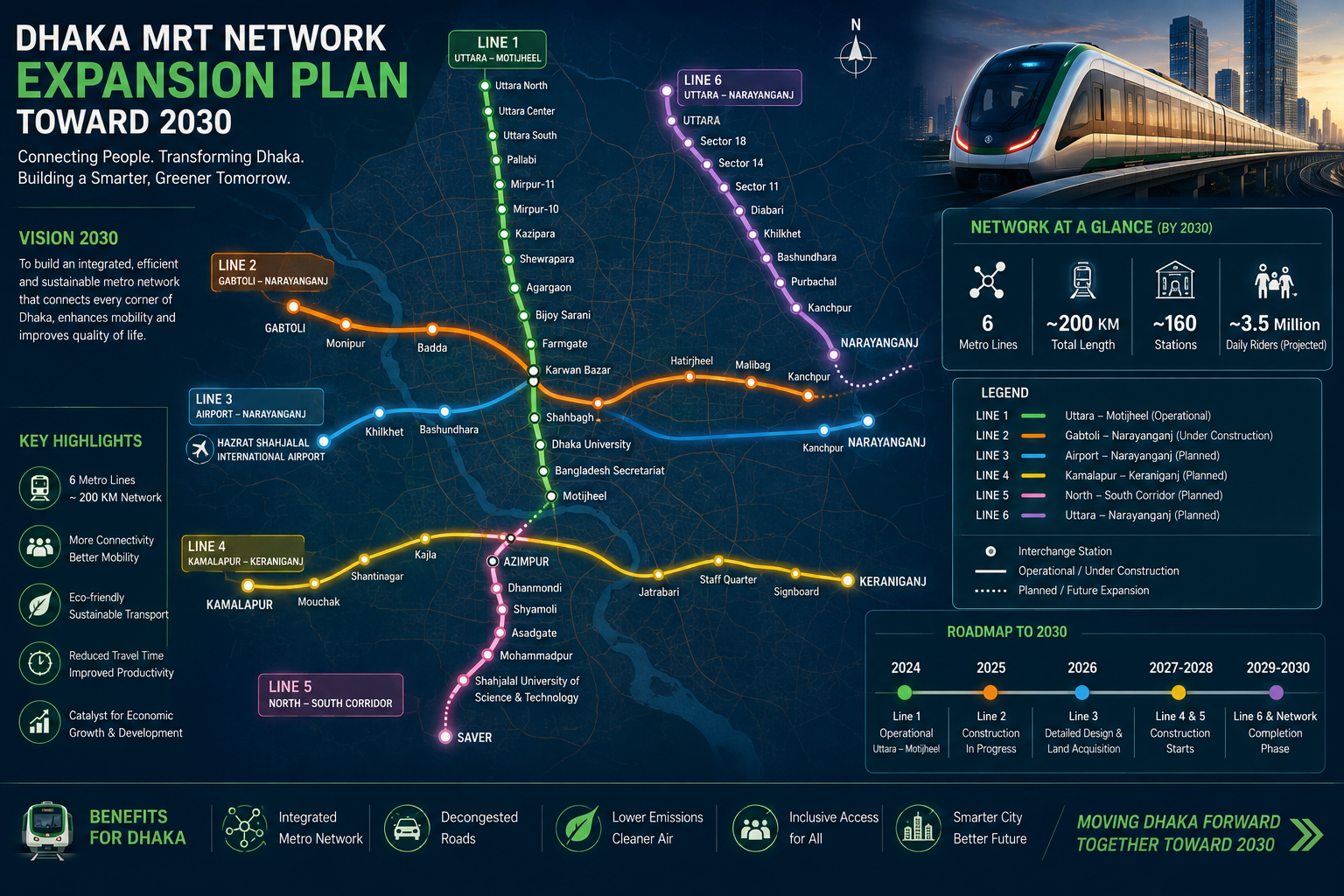
Futuristic Metro Network Expansion Plan toward 2030
New northern and southern routes for MRT Line-5 are designed to connect different parts of the city before traffic gets jammed in the center.
🚛 Transit-Oriented Development (TOD) Policies
New rules are being set up around the stations to encourage high-density housing and businesses right next to transit points.
📌 Conclusion: A Generational Horizon
The Dhaka Mass Rapid Transit project stands as a historic engineering triumph and a masterclass in modern megaproject execution within a challenging developing-world megacity. By seamlessly fusing international financial collaboration, resilient structural design, strict environmental safeguards, and bold futuristic planning, the Dhaka MRT has successfully transformed the daily lives of millions.
As DMTCL presses forward with its expanded multi-line network blueprint toward 2030, the Dhaka MRT remains a shining beacon of sustainable urban mobility, economic resilience, and visionary future-proofing for South Asia and beyond.