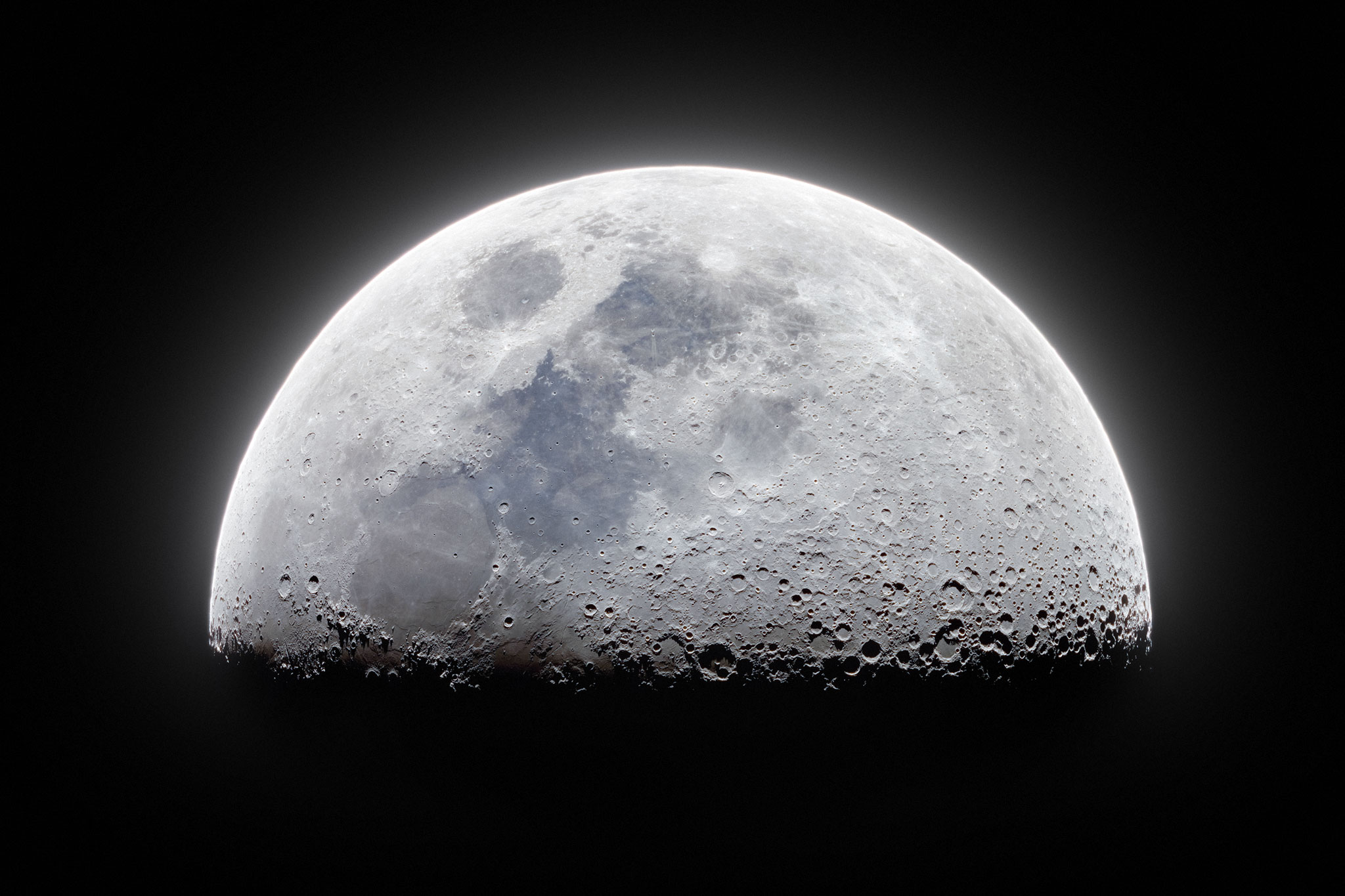
A lunar eclipse happens when the Earth, Sun, and Moon line up straight across from each other during a full moon. The Earth blocks sunlight from hitting the Moon, casting its shadow right over it[cite: 1].
It's basically a great reminder of how predictable and clockwork-like the solar system really is[cite: 1].
Types of Lunar Eclipses
As the Moon moves through the Earth's shadow, we usually see three types of eclipses[cite: 1]:
- Penumbral Eclipse: The Moon drifts through the outer, lighter part of the Earth's shadow. It just looks a bit pale or gray, and the shift happens so slowly you might barely notice[cite: 1].
- Partial Eclipse: Part of the Moon slips into the darker shadow, making it look like a piece of it has gone dark or reddish[cite: 1].
- Total Eclipse: The Moon moves completely into the core shadow, or umbra. Instead of going totally black, it glows red—what most people call a "Blood Moon"[cite: 1].

The Dance of the Moon and Earth: Animated Illustration
Animated diagram showing the Moon’s orbit around Earth and the color changes during a lunar eclipse[cite: 1].
An eclipse is just what happens when the Earth gets between the Sun and Moon, casting a shadow[cite: 1].
Why Does the Moon Turn Red?
When the Earth blocks direct sunlight during a total eclipse, some light still filters through our atmosphere. The blue light gets scattered away, but the red light bends around the Earth and hits the Moon, giving it that coppery glow[cite: 1].
It is a cool way to see how the Sun, Earth, and Moon all lock into place together[cite: 1].
Conclusion: Perfect Cosmic Harmony
Watching an eclipse is a pretty simple reminder of how the solar system works[cite: 1]. Every shadow and color change just shows the steady motion of our planet and the Moon moving along together[cite: 1].
Whether you catch a penumbral, partial, or total eclipse, it is worth stepping outside to watch how the Earth's atmosphere and light interact in real time[cite: 1].