Dark
🌙
☀️
Light

Beacon of Leadership: Those Known as Nations' Fathers

Throughout history, the formation of nations has often been shaped by individuals who played major roles in independence movements, political unification, state-building, or the creation of a new national identity. Some of these leaders became closely associated with the birth of their countries, while others were later recognized as symbols of independence or modern nationhood. In many countries, such figures are remembered with titles such as Father of the Nation, Father of Independence, or Founder of the State.

It is worth making one distinction here. The expression Father of the Nation in this context refers to a political or historical figure associated with the development of a particular nation or state. It is not a religious title. Religious traditions have their own revered forefathers and spiritual figures—for example, Prophet Ibrahim (A.S.), who holds an important place in several religions—but that is different from the political idea of a founding father of a nation-state.

The people listed below come from very different historical and political backgrounds. Some led struggles for independence, some helped establish new states, and others played a major role in shaping their countries after independence. Their titles and the way they are remembered also differ from one country to another. This article brings together these figures to explore the leaders who became closely associated with the history and national identity of their respective countries.
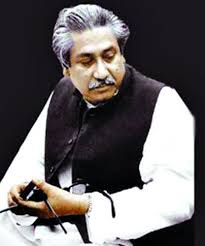
SL Country Founding Father/Leader Official Title/Recognition Photo Source
1 Bangladesh Sheikh Mujibur Rahman Father of the Nation (জাতির পিতা) Bangabandhu Sheikh Mujibur Rahman, Bangladesh -
2 Pakistan Mohammad Ali Jinnah Baba-e-Qaum (জাতির পিতা) Mohammad Ali Jinnah, Pakistan Link
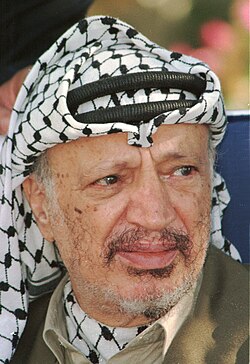
3 Palestine Yasser Arafat
Father of the Nation (জাতির পিতা) Yasser Arafat, Palestine Link
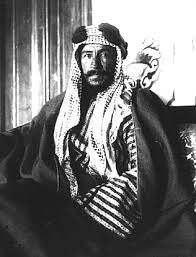
4 Saudi Arabia King Abdulaziz Al Saud Founder & Father of the Nation (জাতির পিতা) King Abdulaziz Al Saud, Saudi Arabia Link
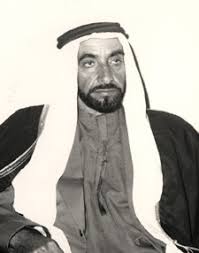
5 UAE Sheikh Zayed Bin Sultan Al Nahyan Father of the Nation (জাতির পিতা) Sheikh Zayed Bin Sultan Al Nahyan, UAE Link
6 Qatar Sheikh Hamad Bin Khalifa Al Thani Founder of the State / Father of the Nation (জাতির পিতা) Sheikh Hamad Bin Khalifa Al Thani, Qatar Link
7 Kuwait Sheikh Mubarak Al Sabah Father of Modern Kuwait (জাতির পিতা) Mubarak Al Sabah, Kuwait Link
8 Oman Sultan Qaboos Bin Said Father of Modern Oman (জাতির পিতা) Sultan Qaboos Bin Said, Oman Link
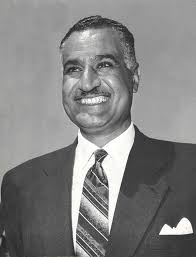
9 Egypt Gamal Abdel Nasser Sad Zaghloul (Father of Modern Egypt) (জাতির পিতা) Gamal Abdel Nasser, Egypt Link
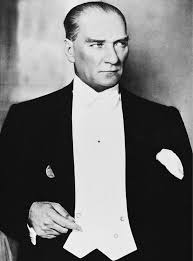
10 Turkey Mustafa Kemal Atatürk Atatürk (Father of the Turks) Mustafa Kemal Atatürk, Turkey Link
11 Algeria Ahmed Ben Bella Father of Independence (জাতির পিতা) Ahmed Ben Bella, Algeria Link
12 Tunisia Habib Bourguiba Father of Modern Tunisia (জাতির পিতা) Habib Bourguiba, Tunisia Link
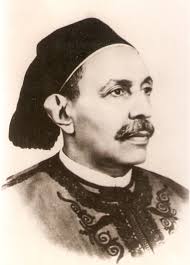
13 Libya King Idris I Founder of the Kingdom of Libya (জাতির পিতা) King Idris I, Libya Link
14 Kazakhstan Nursultan Nazarbayev Elbasy (Leader of the Nation / জাতির পিতা) Nursultan Nazarbayev, Kazakhstan Link
15 Uzbekistan Islam Karimov Father of Independent Uzbekistan (জাতির পিতা) Islam Karimov, Uzbekistan Link
16 Turkmenistan Saparmurat Niyazov Turkmenbashi (Father of the Turkmen / জাতির পিতা) Saparmurat Niyazov, Turkmenistan Link
17 Azerbaijan Heydar Aliyev Father of Modern Azerbaijan (জাতির পিতা) Heydar Aliyev, Azerbaijan Link
18 Somalia Aden Abdulle Osman Father of the Nation (জাতির পিতা) Aden Abdulle Osman, Somalia Link
19 Maldives Ibrahim Nasir Father of Modern Maldives (জাতির পিতা) Ibrahim Nasir, Maldives Link
20 Albania Ismail Qemali Baba i Kombit (Father of the Nation/জাতির পিতা) Ismail Qemali, Albania Link
21 Brunei Omar Ali Saifuddien III Father of the Nation (জাতির পিতা) Omar Ali Saifuddien III, Brunei Link
22 Malaysia Tunku Abdul Rahman Putra Al-Haj Bapa Kemerdekaan (Father of Independence/জাতির পিতা) Tunku Abdul Rahman, Malaysia Link
23 Morocco Mohammed al-Khamis bin Yusef bin Hassan al-Alawi (Mohammed V) Ab Al-Waṭan Al-Maḡribī (Father of the Nation/জাতির পিতা) Mohammed V, Morocco Link
24 Sudan Ismail Al Azhari Father of Independence (জাতির পিতা) Ismail Al Azhari, Sudan Link
25 Western Sahara El-Ouali Mustapha Sayed Father of the Nation (জাতির পিতা) El-Ouali Mustapha Sayed, Western Sahara Link

Conclusion: The Legacy of National Founders and Leaders

The people remembered as founding fathers or fathers of their nations came from very different historical circumstances. Some led independence movements, some helped establish new states, and others played a major role in shaping their countries during periods of political transformation. Their titles may differ, but each became closely connected with an important chapter in the history of their country.

Looking at these figures side by side also shows that nation-building is rarely the work of one person alone. Political movements, ordinary citizens, activists, soldiers, intellectuals, and many others also contribute to major historical changes. The leaders remembered most prominently often become symbols of much larger struggles involving millions of people.

Their legacies therefore deserve to be studied in their full historical context—not only through the titles given to them, but also through the decisions they made, the societies they helped shape, and the consequences of their leadership. History is more useful when we remember both the achievements and the controversies surrounding its major figures.

Leave a comment

Or Drop me an Email!


Meet me in the digital world!

SSL Labs Verified Mozilla Security Verified Safe Browsing Verified Valid HTML Verified Fast PageSpeed Verified