Rampal Power Plant — A Strategic Energy Infrastructure Pillar for Bangladesh.
Power Engineering · Energy Infrastructure · Environmental Safeguards · Bangladesh
⚡ The Genesis & Strategic Need for Rampal Power Plant
Reliable electricity is essential for an economy that is expanding its industries, cities, and electricity access. As Bangladesh's demand for power has grown, so has the need for large generating stations that can provide a steady supply to the national grid. This was one of the main reasons behind the development of the Maitree Super Thermal Power Project, commonly known as the Rampal Coal-Based Power Plant.
Strategic Overview and Plant Site Layout
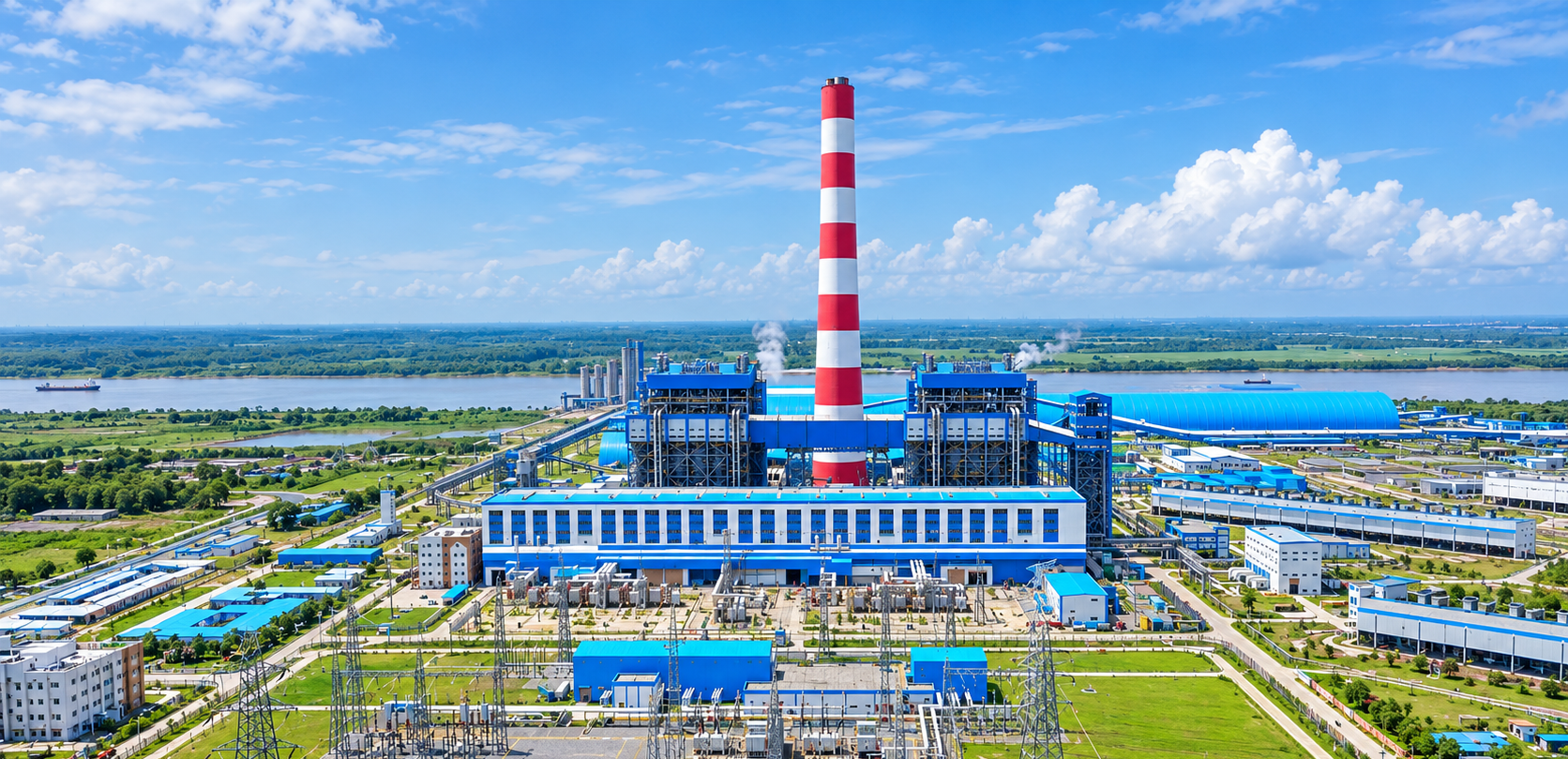
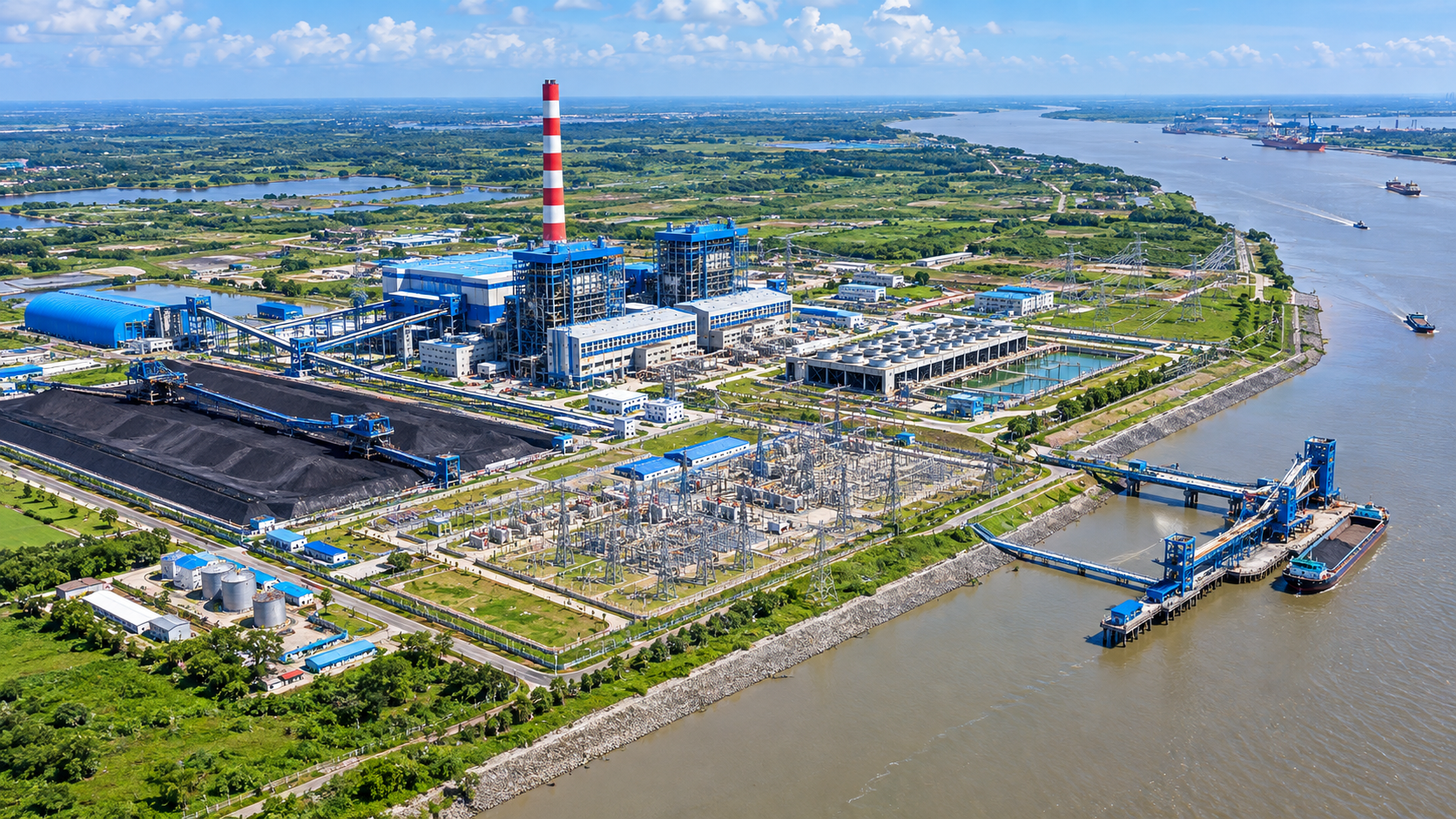
Located in Rampal Upazila of Bagerhat District, the 1,320 MW ultra-supercritical coal-fired power plant is one of the major energy projects developed through Bangladesh-India cooperation. The project is being implemented by the Bangladesh-India Friendship Power Company Private Limited (BIFPCL), a joint venture between the Bangladesh Power Development Board (BPDB) and NTPC Limited of India.
Base-Load Reliability: Providing a steady source of electricity that can operate independently of short-term changes in weather conditions and support the stability of the national grid.
Capacity Milestone: Generating 1,320 MW from two 660 MW ultra-supercritical units.
Bilateral Synergy: Developed jointly by the Bangladesh Power Development Board (BPDB) and NTPC Limited of India.
Economic Role: Supplying electricity to the national grid and supporting industrial demand while reducing reliance on a single fuel source such as LNG, whose international prices can be highly volatile.
Energy security is not simply about generating more electricity. It also depends on having a balanced generation mix so that the power system is less vulnerable to fuel shortages, price swings, and supply disruptions.
💵 Financial Architecture & Project Procurement
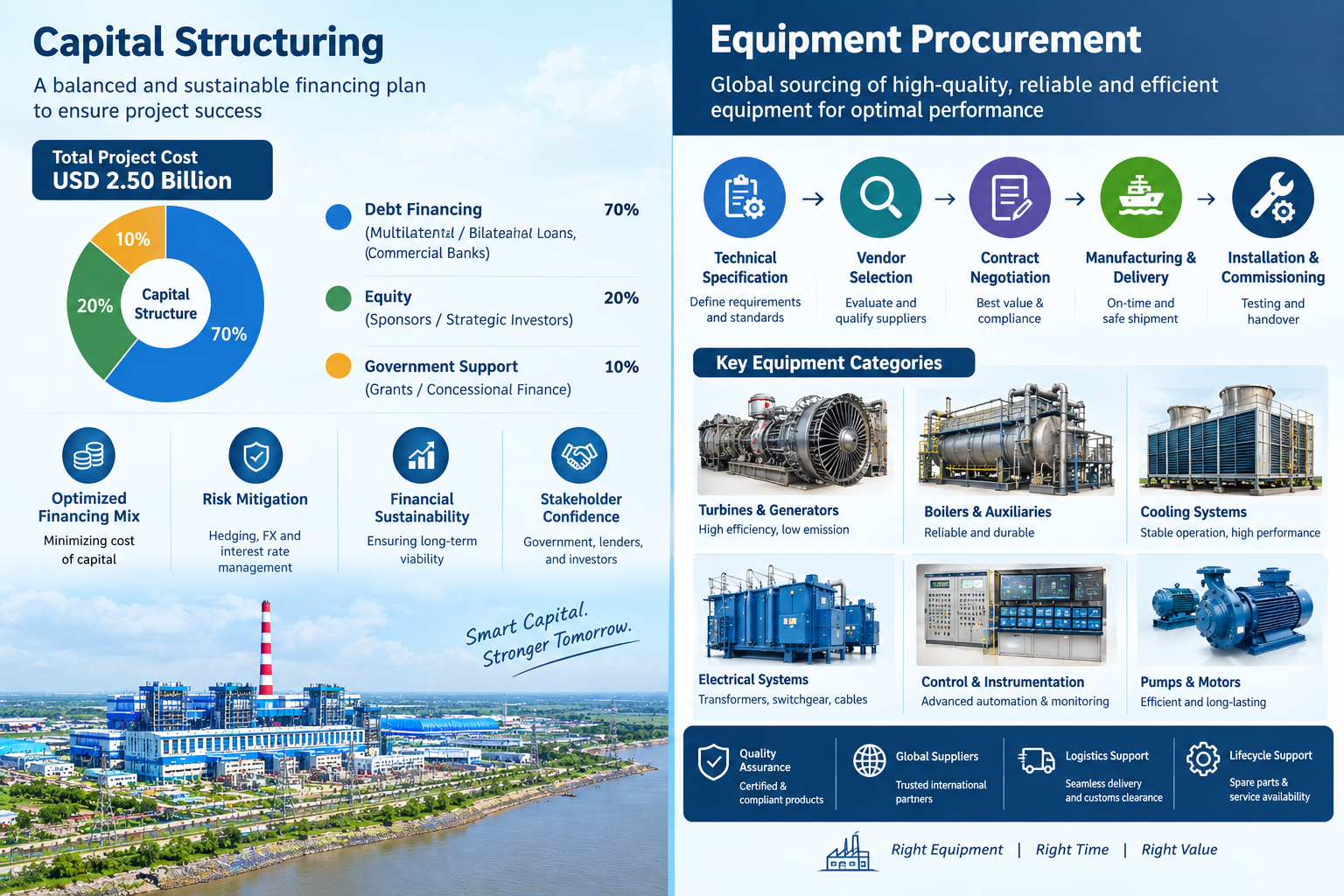
A power plant of this size requires a financing and procurement structure capable of supporting a multi-billion-dollar investment over several years. Rampal's financing arrangement combines external debt with equity from the project partners, while the procurement process covers everything from major generating equipment to construction, installation, and commissioning.
Capital Structuring and Equipment Procurement
Debt Financing: The project was financed through substantial credit facilities from Exim Bank of India, together with equity contributions from BIFPCL's shareholders.
EPC Contracting: Engineering, procurement, and construction activities involved experienced contractors, including Bharat Heavy Electricals Limited (BHEL), for equipment supply, fabrication, installation, and related works.
Foreign Exchange Management: The financing structure and repayment arrangements have to account for the project's long-term foreign-currency obligations and their effect on the country's external payments.
Cost-Control Compliance: Large project expenditures are linked to construction and procurement milestones and are subject to financial controls, monitoring, and auditing.
For a project of this scale, financing and engineering cannot be treated as separate issues. The financial structure has to support the construction schedule, equipment procurement, and long-term operation of the plant.
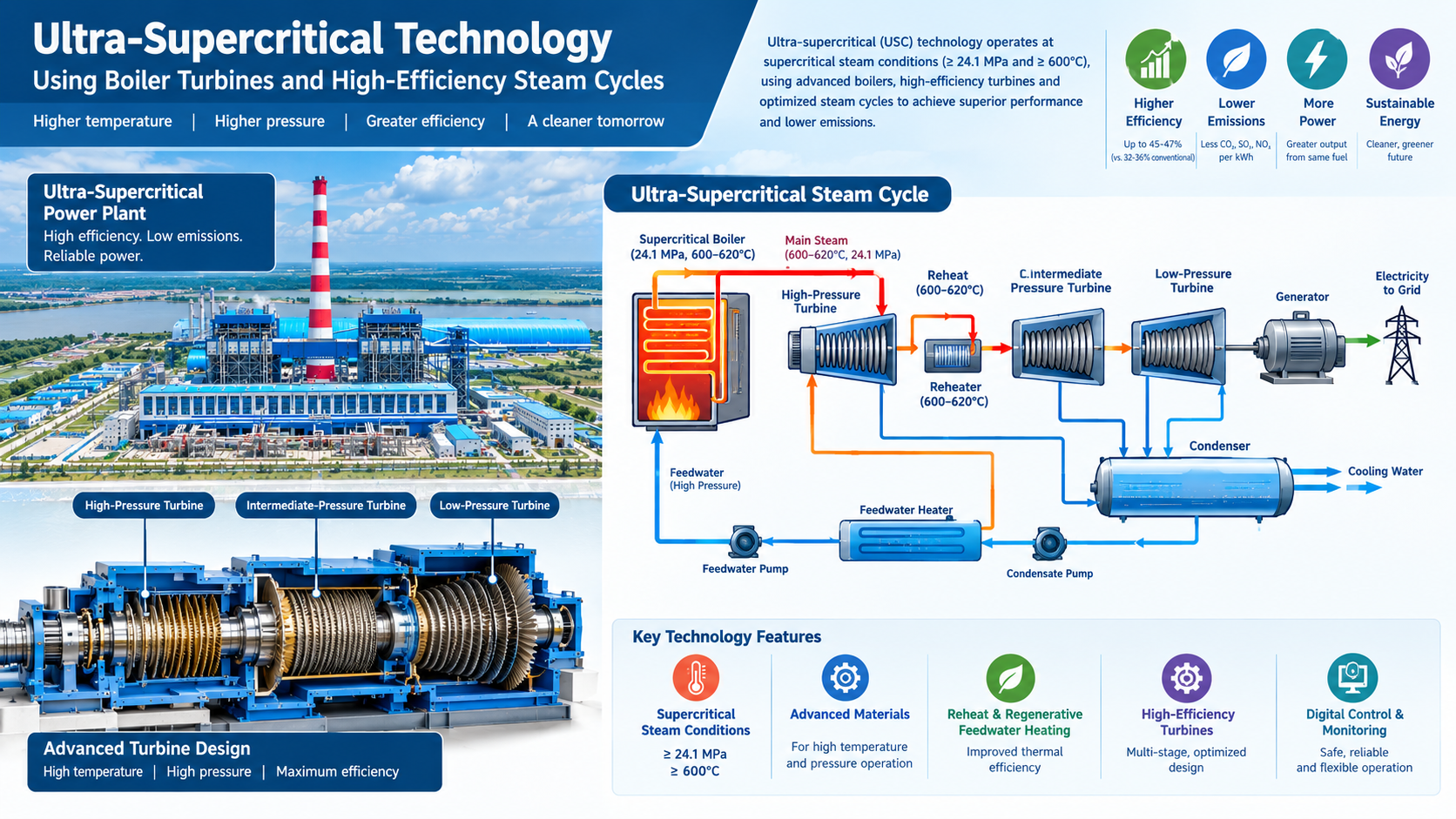
Compared with older subcritical coal-fired plants, ultra-supercritical units operate with higher steam temperatures and pressures. This allows the steam cycle to extract more useful energy from the same amount of coal. Higher thermal efficiency generally means lower coal consumption for each megawatt-hour generated and, consequently, lower carbon dioxide emissions per unit of electricity than a less efficient coal plant.
Boiler Turbines and High-Efficiency Steam Cycles
High Steam Parameters: The units operate with steam temperatures above 600°C and pressures well above the critical point of water.
Boiler Design: Pulverized coal combustion is used to release the fuel's chemical energy and convert water into high-pressure steam.
Turbine Efficiency: High-pressure, intermediate-pressure, and low-pressure turbine stages progressively extract energy from the steam before it is condensed and returned to the cycle.
Cooling System: Condenser and cooling systems remove the heat remaining after the steam passes through the turbines, allowing the water to be reused within the steam cycle.
The basic engineering principle is straightforward:
Higher Efficiency → Lower Coal Consumption → Lower Emissions per Unit of Electricity → More Efficient Generation
🛡 Environmental Safeguards & Pollution Control Systems
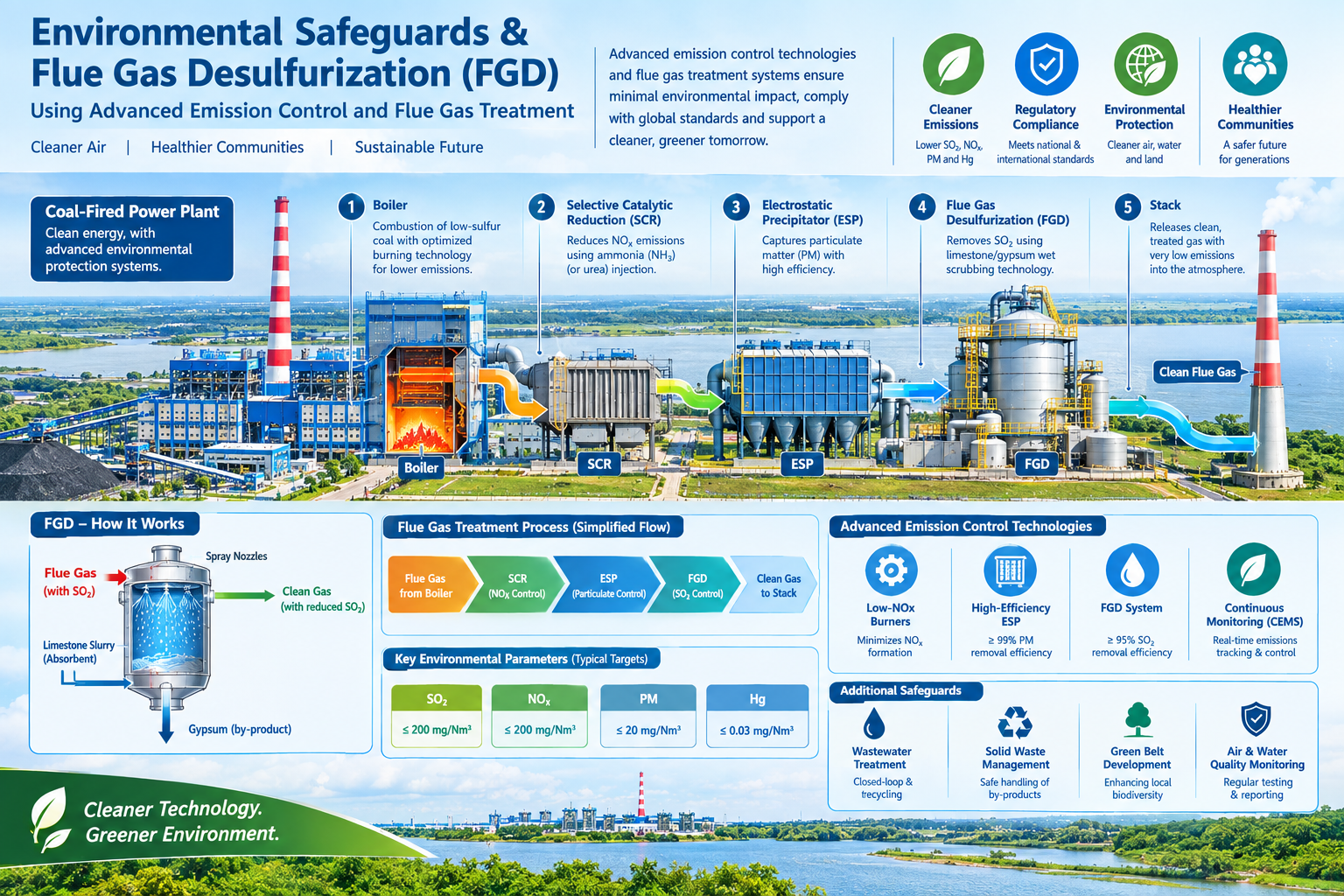
Rampal's location in the vicinity of the Sundarbans has made environmental protection one of the most closely discussed aspects of the project. The plant therefore incorporates systems intended to control air emissions, manage wastewater, and reduce the release of pollutants into the surrounding environment. Their actual effectiveness, however, depends on proper operation, maintenance, monitoring, and regulatory oversight.
Advanced Emission Control and Flue Gas Treatment
Flue Gas Desulfurization (FGD): Limestone-gypsum scrubbers are used to remove sulfur dioxide (SO2) from flue gas, with the system designed for high removal efficiency.
Electrostatic Precipitators (ESP): Electrostatic precipitators remove fine fly-ash particles from the flue gas before it reaches the stack, with the system designed for very high particulate collection efficiency.
Low-NOx Burners: The combustion system is designed to limit the formation of nitrogen oxides during coal combustion.
Zero Liquid Discharge (ZLD): Water streams are treated and, where the system allows, recycled within the plant to reduce liquid discharge and limit the release of untreated wastewater.
Continuous Emission Monitoring (CEM): Continuous monitoring systems measure selected stack emissions and provide data for operational and regulatory monitoring.
For a thermal power plant operating near a sensitive ecosystem, pollution-control equipment is only as effective as its operation, maintenance, monitoring, and enforcement.
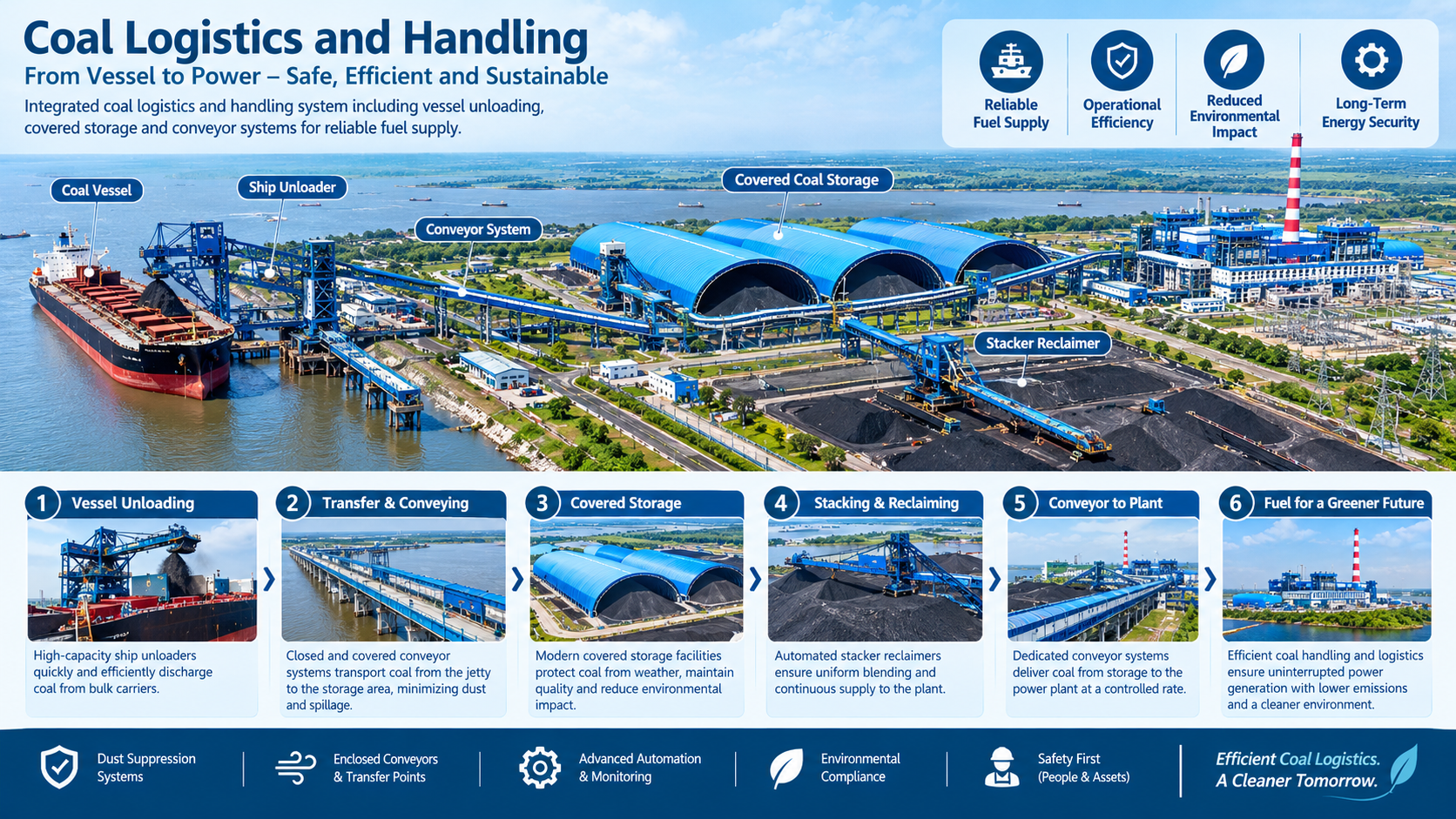
A 1,320 MW coal-fired plant needs a continuous and reliable fuel supply. Imported coal passes through several stages before it reaches the boilers, including marine transport, unloading, lighterage, storage, conveying, and final delivery to the boiler bunkers. Each stage has to be managed carefully to control dust, spillage, material losses, and other environmental risks.
Vessel Unloading, Covered Storage, and Conveyor Systems
Deep-Sea to Inland Lighterage: Imported coal is handled at offshore or outer anchorage areas and transferred to barges for transportation toward the plant.
Covered Coal Storage: Coal is stored in covered facilities, with dust-control and suppression measures used to reduce the spread of fine particles.
Enclosed Conveyor Belts: Conveyor systems transport coal from the storage area toward the boiler bunkers while reducing direct exposure of the material to the surrounding environment.
Ash Management: Bottom ash and fly ash are collected and can be supplied for uses such as cement and other construction-related applications, subject to quality and market requirements.
⚡ Grid Integration & Power Evacuation
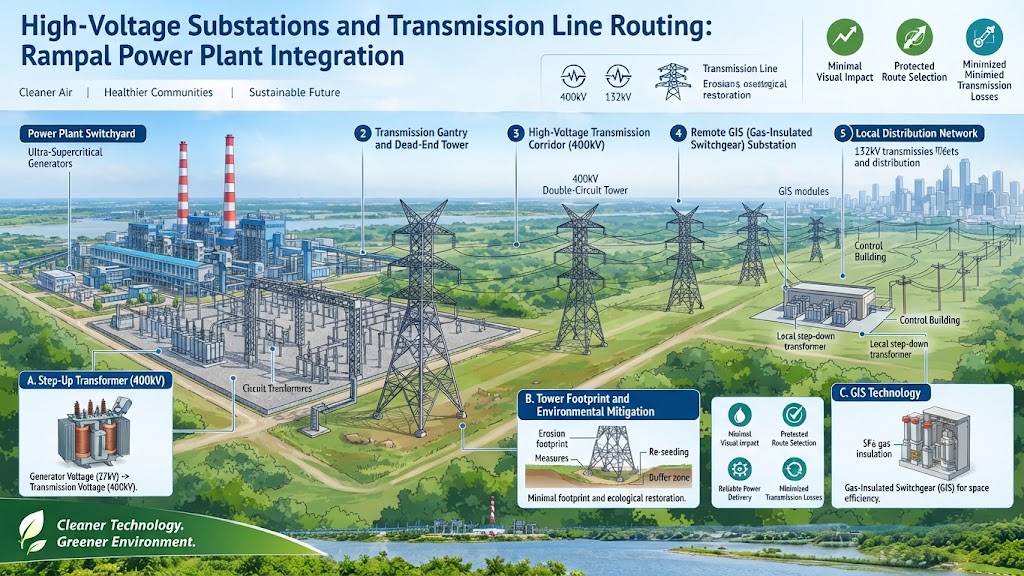
Generating electricity is only one part of a power project's job. The electricity produced by the plant must be stepped up to the appropriate transmission voltage, transferred through the grid, and delivered reliably to the areas where demand exists.
High-Voltage Substations and Transmission Line Routing
GIS Substations: Gas-Insulated Switchgear (GIS) provides a compact arrangement for high-voltage switching, isolation, protection, and fault management.
Transmission Corridors: High-voltage double-circuit transmission lines connect the Rampal generation complex with the wider national grid through the planned transmission network.
River Crossings: Transmission towers and conductors crossing major waterways have to account for foundation conditions, wind loading, river navigation, and severe weather events such as cyclones.
Grid Stability: The plant's integration into the transmission network allows its generated power to be dispatched across the grid while the wider system manages voltage, frequency, and changing load conditions.
🤝 Social Responsibility & Community Development
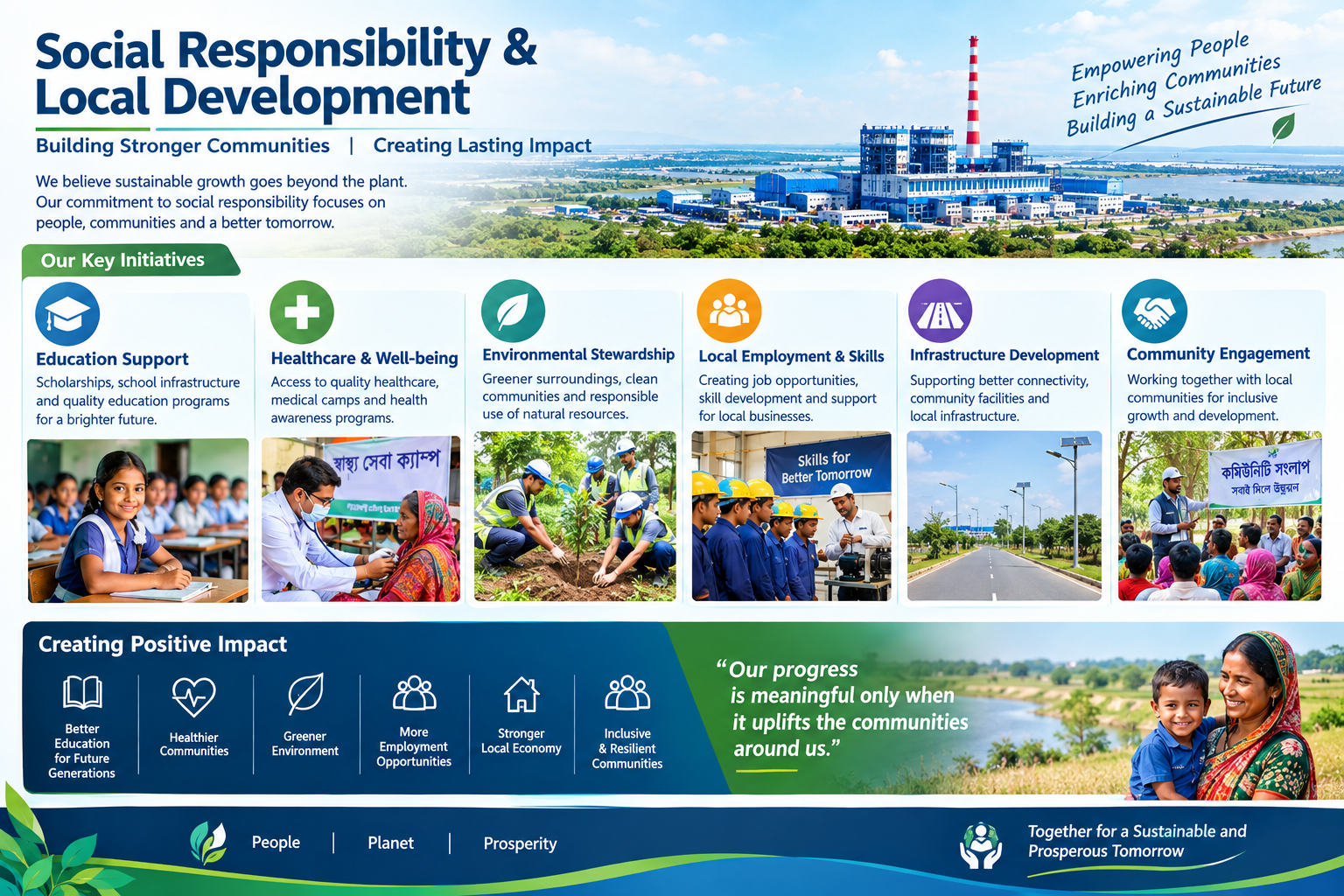
A large infrastructure project affects more than the national power system. Its presence also has consequences for nearby communities through employment, local services, infrastructure, and economic activity. For that reason, the wider impact of Rampal should be considered alongside the electricity it generates.
Local Community Welfare and Skill Development Programs
Employment Generation: Creating opportunities for local workers in plant operations, maintenance, construction, logistics, security, and supporting services.
Healthcare Initiatives: Supporting medical camps, healthcare facilities, and health-awareness programs for nearby communities.
Educational Support: Supporting local schools and students through educational assistance, scholarships, technical training, and vocational programs.
Infrastructure Upgrades: Contributing to improvements in local roads, water facilities, electricity connections, and other community infrastructure where applicable.
A large project's local contribution should be measured by more than the electricity it produces. Employment, skills, services, infrastructure, and the quality of its relationship with surrounding communities also matter.
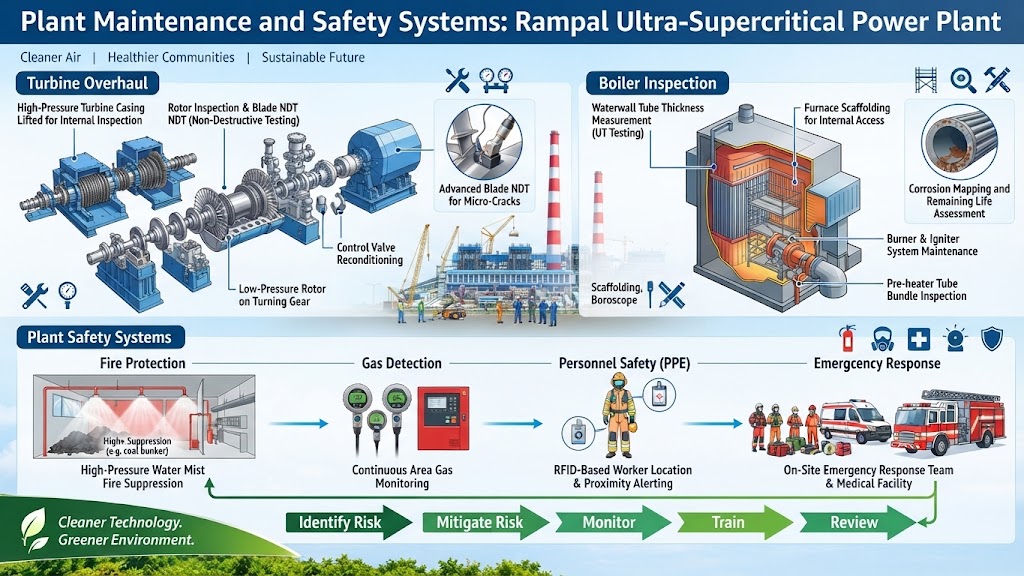
A large thermal power plant operates under high temperatures, pressures, electrical loads, and continuous mechanical stress. Keeping such a facility reliable therefore requires planned maintenance, regular inspection, condition monitoring, and safety procedures throughout its operating life.
Turbine Overhaul, Boiler Inspection, and Plant Safety Systems
Preventive Maintenance Cycles: Major equipment such as turbines, boilers, pumps, and auxiliary systems undergo scheduled inspections and maintenance, with major overhauls planned around suitable operating periods where possible.
Non-Destructive Testing (NDT): Methods such as ultrasonic and radiographic testing can be used to examine high-temperature steam piping and other critical components for defects, fatigue, cracking, or material degradation without cutting or damaging the equipment.
Automated Trip Systems: Distributed control systems (DCS) incorporate protection logic and interlocks that can automatically trip equipment when pressure, temperature, vibration, or other monitored parameters move beyond safe operating limits.
Fire Protection & Suppression: Fire detection and suppression systems, including deluge and foam-based systems where appropriate, protect higher-risk areas such as fuel-handling facilities, turbine halls, transformers, and electrical installations.
At a power plant, safety is part of everyday operation. Reliable protection systems, inspection, and maintenance are essential for protecting both people and equipment.
💧 Water Management & Hydrological Resource Utilization
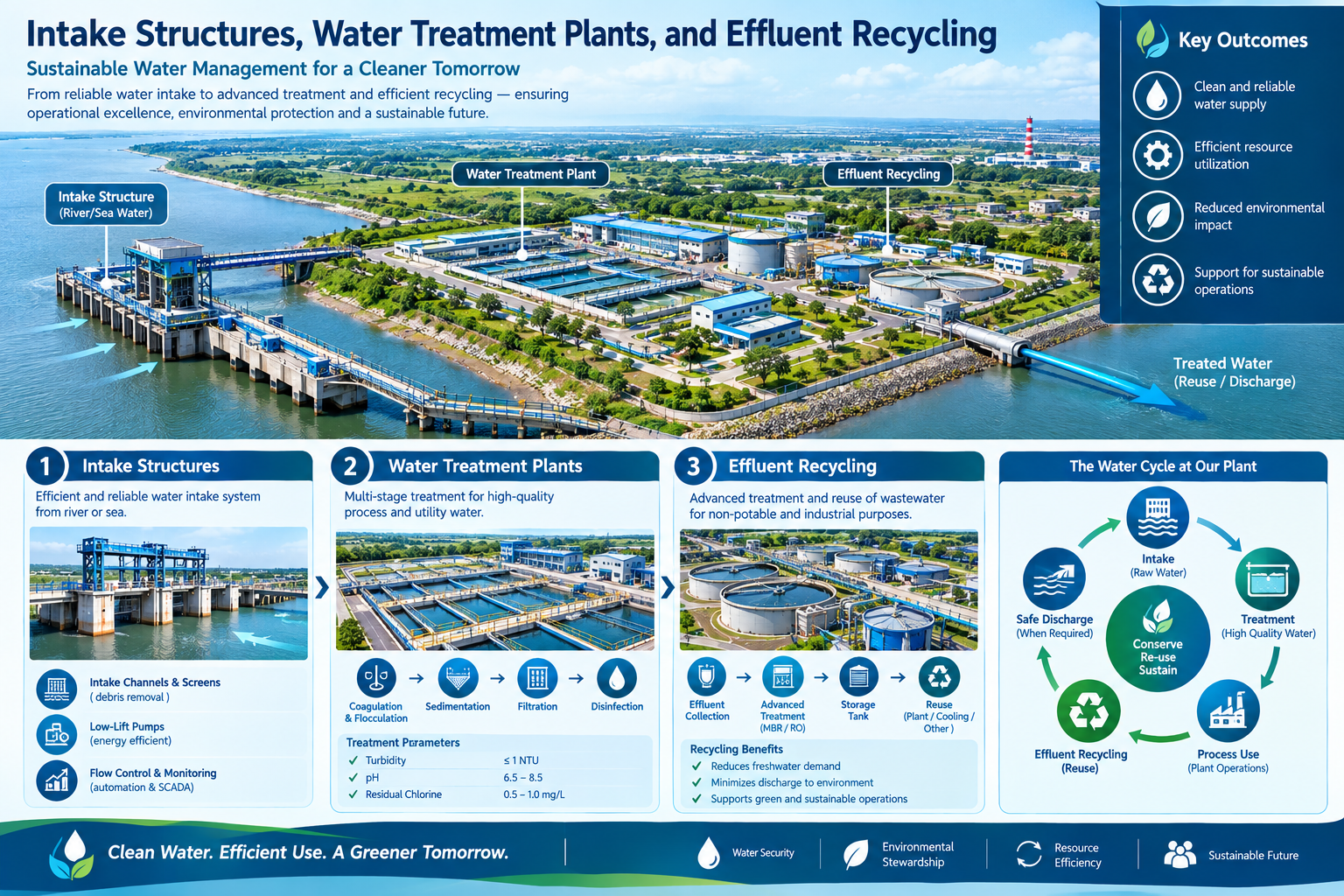
Thermal power plants require water for several processes, including cooling, steam generation, treatment, and other plant services. Managing those water flows is particularly important at Rampal because the project operates in an area connected to the Passur River and the wider river and wetland system around the Sundarbans.
Intake Structures, Water Treatment Plants, and Effluent Recycling
River Water Intake: Water is drawn from the Passur River through an intake system equipped with screening arrangements intended to reduce the entry of larger aquatic organisms and debris.
Demineralization Plants: Water-treatment systems produce high-purity water for the boiler cycle, helping control scaling, corrosion, and deposits inside high-pressure equipment.
Cooling Systems: Cooling arrangements remove waste heat from the steam cycle while managing the amount of freshwater withdrawn from natural sources.
Effluent Treatment Plants (ETP): Wastewater from different plant processes is treated through appropriate physical and chemical processes before reuse or controlled discharge in accordance with applicable requirements.
❓ Critical Challenges & Public Scrutiny: Evaluating the Trade-Offs
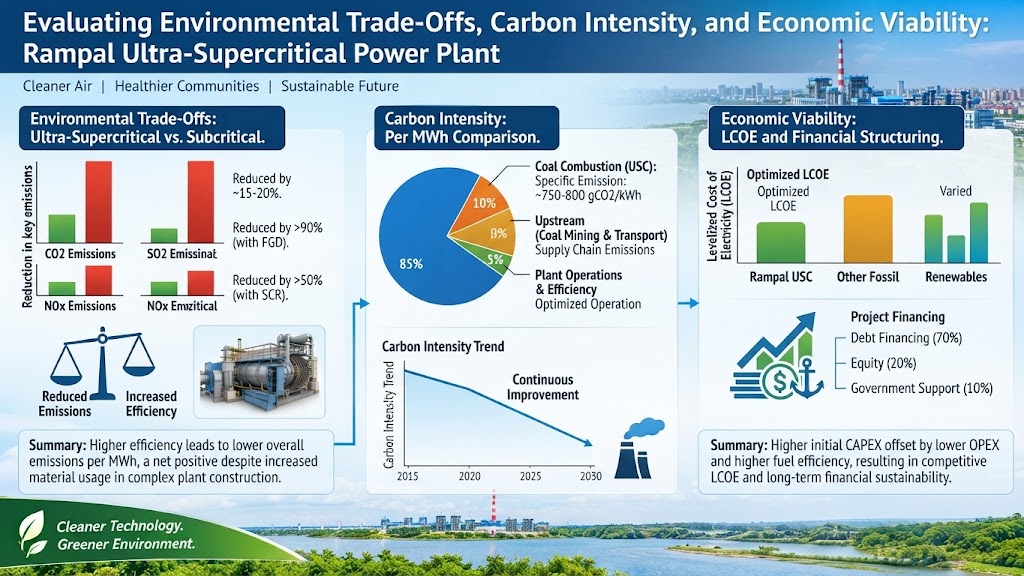
A project of this scale naturally raises questions about environmental impact, economics, fuel security, and its long-term place in Bangladesh's energy system. The central issue is not simply whether Rampal can generate electricity, but whether the benefits of that generation justify the financial, environmental, and supply-chain risks associated with a large coal-fired plant.
Evaluating Environmental Trade-Offs, Carbon Intensity, and Economic Viability
Ecological Proximity: The plant's location near the Sundarbans has remained a major point of public and scientific discussion. The key concern is whether industrial activity, emissions, vessel movement, water use, and other associated activities could create cumulative pressure on the surrounding mangrove ecosystem.
Climate Commitments: Coal-fired generation has to be considered alongside Bangladesh's longer-term climate commitments and the global shift toward lower-carbon sources of electricity. Higher efficiency can reduce emissions per unit of electricity, but it does not make coal generation a low-carbon technology.
Import Dependency Risk: Dependence on imported coal exposes the plant to international fuel prices, foreign-exchange requirements, shipping costs, and possible disruptions in the global maritime supply chain.
Long-Term Economics: The project's financial performance needs to be assessed over its operating life, taking into account fuel costs, financing obligations, maintenance, electricity demand, plant utilization, and the changing cost of alternatives such as solar, storage, gas, and other generation technologies.
A serious assessment of a major power project has to look at both sides of the equation: the value of reliable electricity and the environmental, financial, and long-term risks involved in producing it.
🔍 Critic Buster: Separating Myth from Engineering Reality
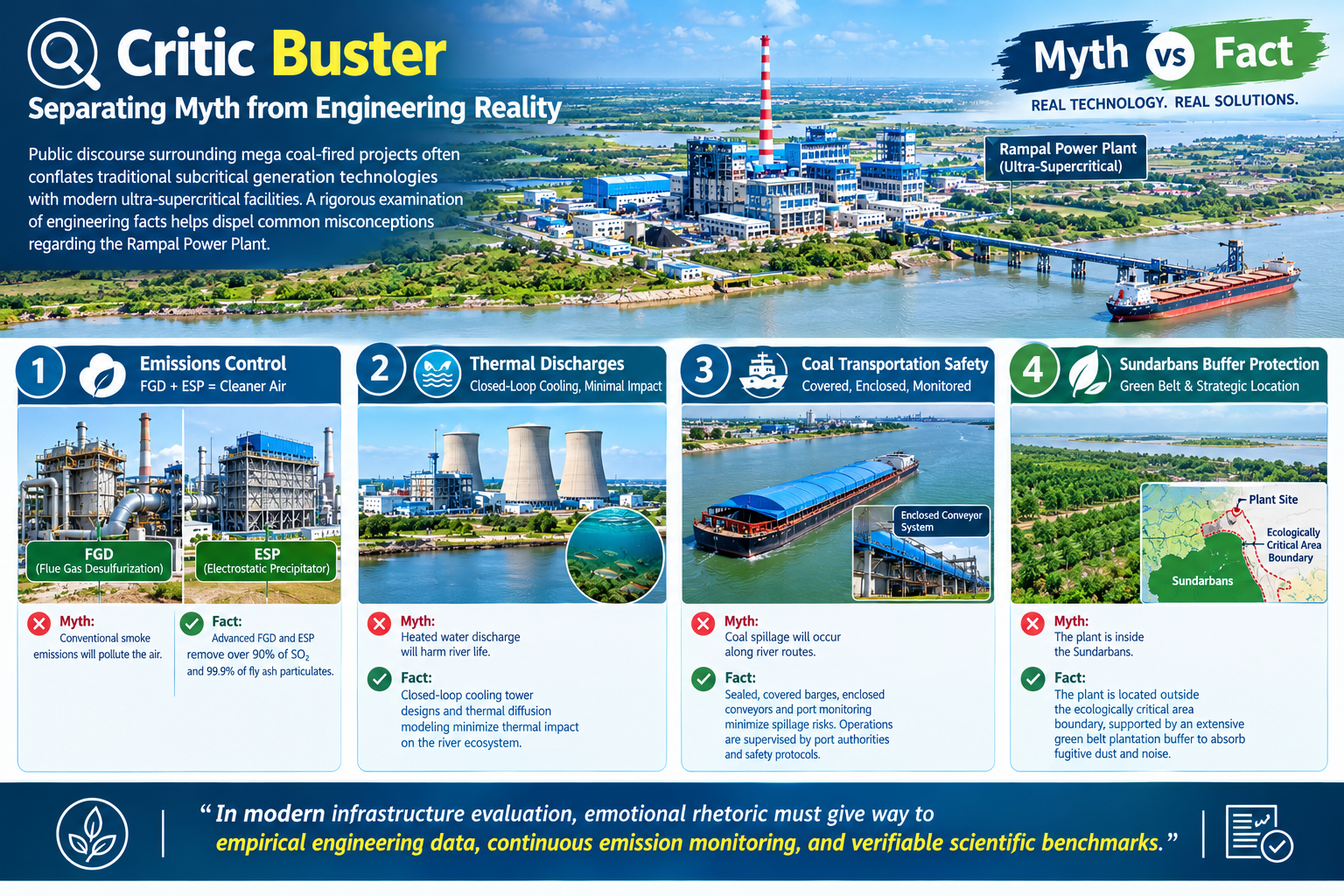
Debates about coal-fired power plants often mix together different generations of technology, environmental concerns, and assumptions about how a particular plant actually operates. A more useful approach is to look at the engineering systems installed at Rampal and then ask how effectively those systems perform in real operation.
Fact-Checking Environmental Claims vs. Advanced Mitigation Engineering
Air Emissions: The plant incorporates Flue Gas Desulfurization (FGD) and Electrostatic Precipitators (ESP) to control sulfur dioxide and particulate emissions. The stated design performance includes high sulfur-dioxide removal and very high fly-ash collection efficiency. These are engineering design targets; actual environmental performance depends on equipment operation, maintenance, coal characteristics, and continuous monitoring.
Thermal Discharges: Thermal pollution is an important consideration for any large thermal power plant using water for cooling. Cooling and heat-dissipation systems are intended to keep discharged water within applicable temperature limits and reduce the potential effect on the receiving water body. The effectiveness of these measures ultimately depends on actual operating conditions and monitoring.
Coal Transportation: Coal handling involves marine transport, barges, unloading, storage, and conveyor systems. Covered and enclosed handling arrangements can reduce dust and spillage, but proper operation and maintenance remain necessary throughout the supply chain.
Sundarbans Buffer Protection: The project site is outside the designated protected areas of the Sundarbans, and green-belt measures are intended to provide additional separation from surrounding areas. However, geographic separation alone does not eliminate the need to monitor the cumulative environmental effects of plant operation and associated industrial and maritime activity.
The right question is not simply whether environmental-control equipment exists. It is whether the equipment performs as designed, whether emissions and discharges are continuously monitored, and whether the results remain within applicable standards.
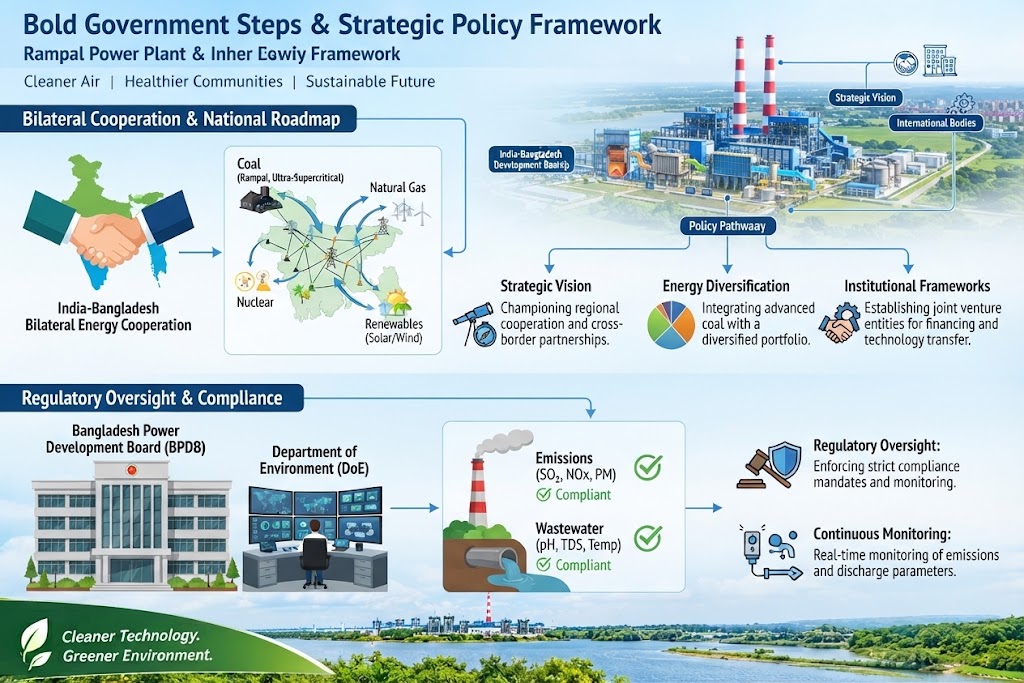
🏛️ Government Steps & Strategic Policy Framework
The Rampal project is the result of decisions involving Bangladesh's power-sector planning, bilateral cooperation with India, project financing, environmental approval, and regulatory oversight. The Bangladesh Power Development Board (BPDB), the Department of Environment (DoE), BIFPCL, and other institutions each have roles within the broader framework governing the project.
Bilateral Energy Cooperation and National Power Sector Planning
Regional Energy Cooperation: The project is part of Bangladesh-India cooperation in the power sector and adds a large block of generation capacity to Bangladesh's electricity system.
Regulatory Oversight: Environmental requirements fall under the country's regulatory framework, with the Department of Environment (DoE) responsible for environmental approvals, monitoring, and enforcement in areas within its mandate, including emissions and wastewater management.
Energy Diversification: Coal-based generation has been developed alongside other sources, including natural gas, nuclear power, solar, and other renewable-energy projects. The broader objective is to maintain enough generation capacity while reducing excessive dependence on any single source.
Institutional Framework: The joint-venture structure brings together Bangladeshi and Indian entities for project development, financing, technical implementation, and operation.
The Rampal Coal-Based Power Plant represents one part of Bangladesh's broader effort to build enough generation capacity for a growing economy. Its role is straightforward: provide a large and relatively steady supply of electricity to the national grid. But its success should not be judged by generation capacity alone. Fuel costs, plant utilization, financial performance, environmental monitoring, and the long-term transition of the power sector all matter.
Rampal's engineering systems can reduce the environmental impact of coal generation, but those systems have to perform reliably in real operation. Efficiency and pollution controls are important, but they do not remove the wider environmental and climate costs associated with coal.
For Bangladesh, the bigger question is how Rampal fits into the country's long-term energy mix. As electricity demand continues to change and renewable energy, storage, nuclear power, and other technologies expand, the power system will gradually have to balance reliability, affordability, fuel security, and environmental responsibility.
The real measure of an energy project is not simply how much electricity it can generate, but how reliably, economically, and responsibly that electricity can be produced over its entire operating life.