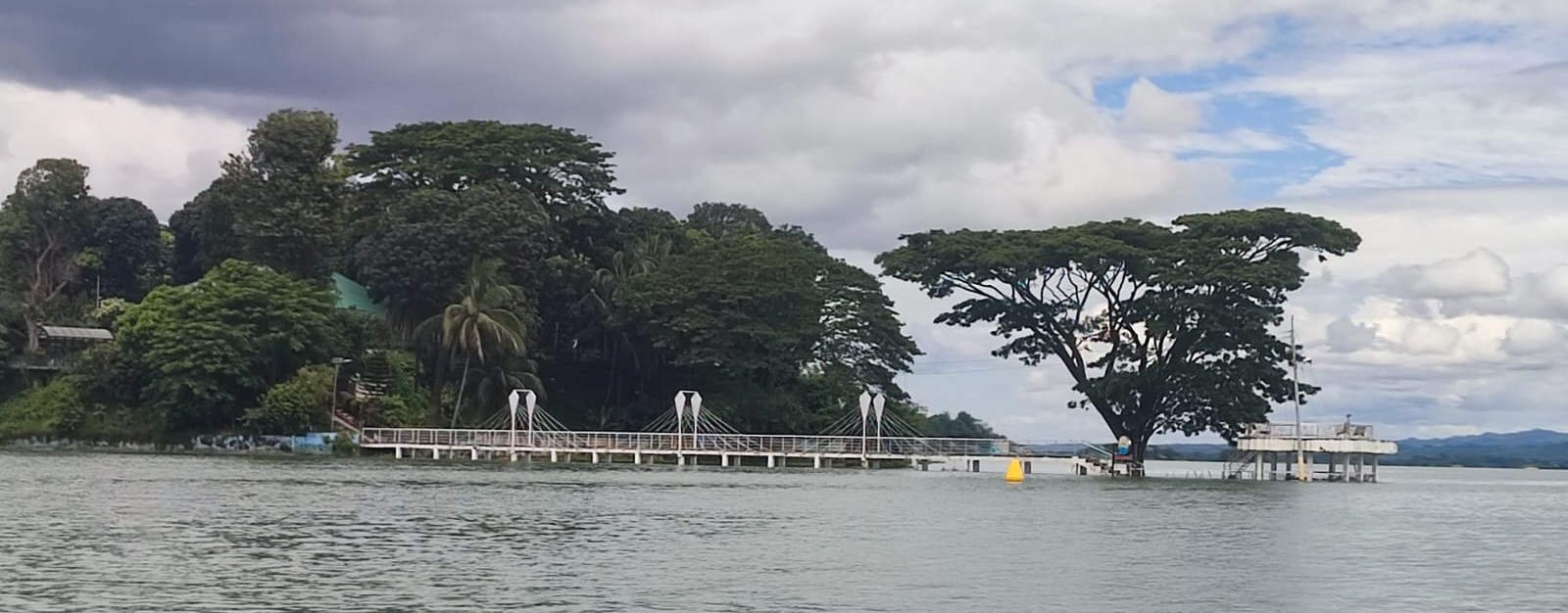
In the southeastern part of Bangladesh, surrounded by hills, forests, and water, lies Rangamati. It is often called the “Queen of Hills”, and once you see the landscape for yourself, the name starts to make sense. With the wide blue waters of Kaptai Lake, green hills rising around it, and the distinct culture of the hill communities, Rangamati feels very different from most other parts of the country.
Life here moves at a slower pace. The hills, the lake, the boats, and the quiet roads create a natural break from the noise of city life. You don't have to do much in Rangamati to enjoy yourself. Sometimes simply sitting beside the lake and watching the hills is enough.
Rangamati — a meeting place of hills, waterfalls, and serene nature
Rangamati is one of those places in Bangladesh where hills, water, forests, and indigenous culture come together in a relatively small area. The landscape changes constantly as the road moves through the hills and the lake opens up between them.
For someone used to the noise and traffic of a city, the difference is noticeable almost immediately. The air feels different, the surroundings are quieter, and there is much more space to simply look around and enjoy the landscape.

Colors on the Green Canvas — Rainya Tugun Resort, Kaptai, Rangamati
Kaptai Lake — A Touch of Blue Serenity
Kaptai Lake is at the heart of Rangamati's landscape. It is the largest man-made lake in Bangladesh, created by constructing a dam across the Karnaphuli River for the Kaptai Hydroelectric Project. Construction of the reservoir began in 1956 under the Government of East Pakistan and was completed in 1961. Around 54,000 acres (220 km²) of farmland in Rangamati were submerged after the lake was created. About 40% of the district's arable land went underwater, and around 100,000 people were displaced. The palace of the Chakma king was also submerged.
The International Engineering Company and Utah International Inc. were involved in the construction of the dam. The dam is 670.8 meters long and 54.7 meters high. Its spillway was designed to pass up to 5,250,000 cu ft/s (149,000 m³/s) of water. The hydroelectric project was funded by the United States. *
Today, however, what most visitors notice first is the lake itself. The combination of blue water and green hills creates a landscape that changes with the weather and the time of day.

Kaptai Lake, Kaptai, Rangamati
When boats move across the lake, their reflections break and reform on the water. The sound of the boat engine, the wind, and the occasional quietness of the surroundings make a boat trip here quite different from travelling anywhere else.
There are also moments when the best thing to do is simply sit by the lake and watch. The landscape does not need much explanation.
Rajban Vihara — A Confluence of Peace and Sacred Architecture
Rajban Vihara is one of the best-known Buddhist monasteries in Rangamati. Located beside Kaptai Lake, it is an important religious site for the local Buddhist community and also a place of interest for visitors. The complex includes temples, stupas, Buddha statues, prayer spaces, and other religious structures.

Main Monastery — Rajban Vihara, Kaptai, Rangamati
The setting adds to the experience. Away from the noise of the main town and surrounded by greenery and the lake, the monastery has a calm atmosphere. For visitors, it offers both a chance to see Buddhist religious architecture and a glimpse into the cultural life of Rangamati's Buddhist communities.

Rajban Vihara, Kaptai, Rangamati
Inside the vihara, the Buddha statues, prayer halls, meditation spaces, and traditional architecture create a very different atmosphere from the busy streets outside. It is one of those places where visitors naturally slow down and speak a little more quietly.
Shuvolong Waterfall — The Enchantment of Flowing Water
Shuvolong Waterfall is one of the most popular natural attractions in Rangamati. It becomes especially impressive during the rainy season, when rainwater increases the flow and the surrounding hills turn a deeper shade of green. Located in the northern part of Kaptai Lake, the waterfall is usually reached by boat.
The water comes down through the hills with considerable force. During the monsoon, the sound of the falling water becomes part of the whole landscape — mixed with rain, wind, and the surrounding greenery.

Shuvolong Waterfall, Kaptai, Rangamati
Surrounded by hills, trees, and the lake, Shuvolong feels quite different from the usual city parks or managed tourist spots. There is something raw about the place. The sound of the water is loud, the rocks are wet, and everything around you seems to be moving.
Shuvolong reminded me that natural beauty is not always quiet. Sometimes it comes with a roar.
Kaptai Bridge and Dam — Engineering Amidst Nature
No visit to Rangamati feels complete without seeing the Kaptai Dam and the surrounding hydroelectric facilities. Built across the Karnaphuli River, the dam created Kaptai Lake and permanently changed the geography of the area.
From the bridge and surrounding viewpoints, the scale of the lake becomes much easier to appreciate. Water stretches into the distance while the hills rise around it, showing how closely engineering and nature are connected here.
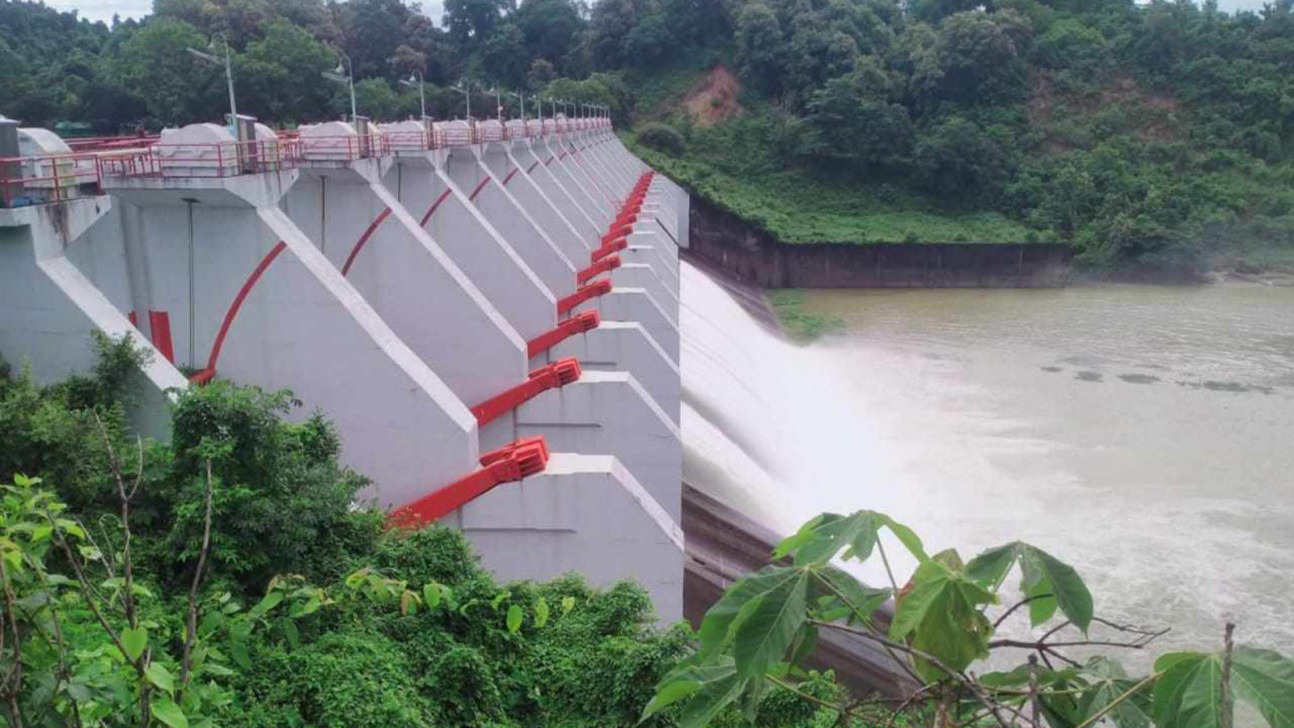
Kaptai Hydropower Station, Kaptai, Rangamati
The view is a good reminder that the landscape of modern Rangamati is partly natural and partly the result of one of the country's major engineering projects.
Hanging Bridge — Walking Above the Water
This picturesque 335-foot-long bridge is located in the Tablachhari area of Sadar Upazila. The Bangladesh Tourism Corporation built the bridge in 1986. It stretches between two hills and can be reached by both road and water. Over the years, it has become one of the most recognizable landmarks of Rangamati and one of the places visitors usually want to see.
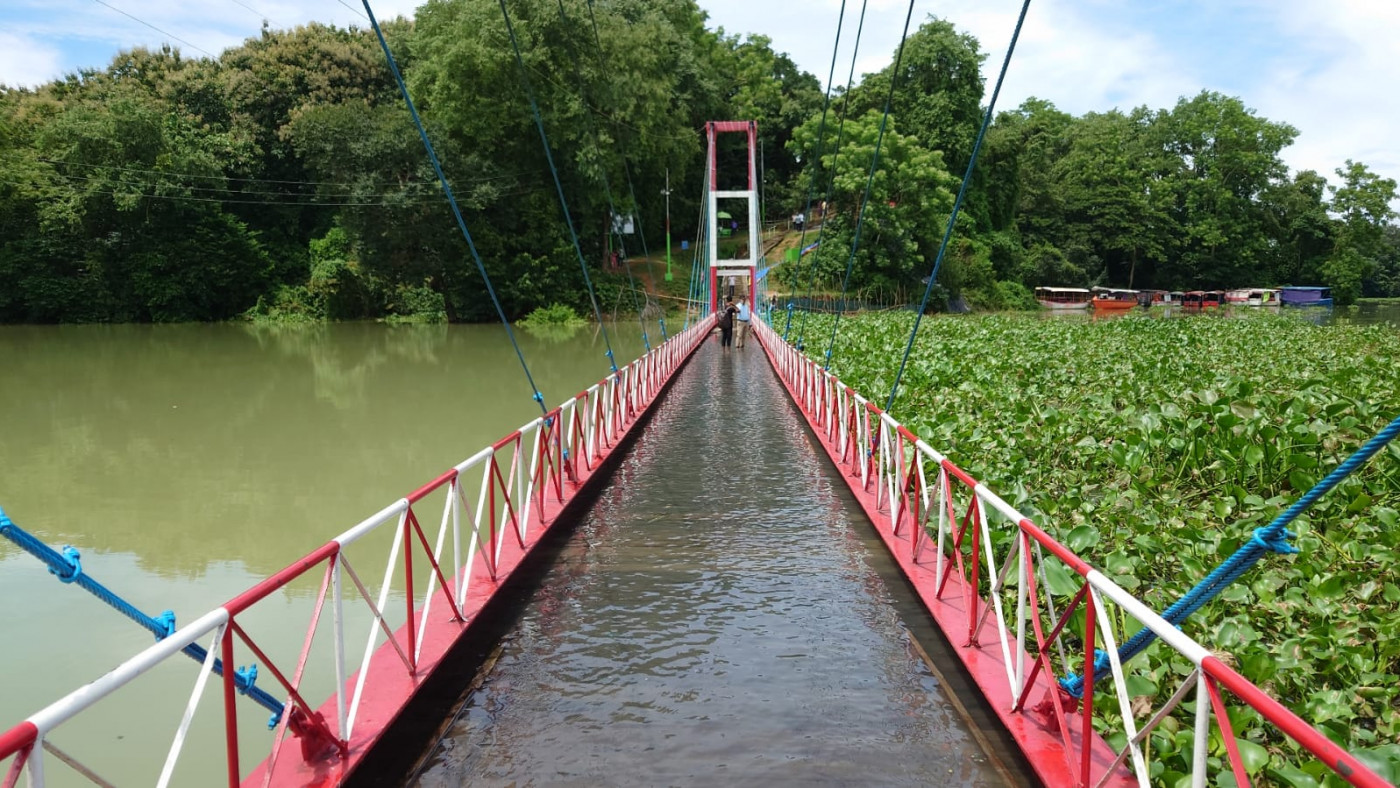
Hanging Bridge, Kaptai, Rangamati
Walking across the bridge is a little different from crossing an ordinary road bridge. It moves slightly under your feet, while the lake and hills open up around you. The combination of water below and sky above makes the short crossing surprisingly enjoyable.
Local Markets — Culture in Motion
Rangamati's local markets offer a different side of the region. Alongside everyday goods, visitors can find traditional handicrafts, bamboo and wood products, handmade textiles, local fruits, and other items associated with the hill communities.
Walking through the markets, talking with local sellers, and trying some of the local food gives you a better sense of the people and culture behind the landscape. It is a part of Rangamati that you cannot experience simply by visiting the tourist attractions.
A Journey to Remember — Family and Friends
This trip to Rangamati was not only about visiting places. It was also about spending time together as a family and with close friends. My wife and I enjoyed the calm surroundings of Kaptai Lake, the peaceful atmosphere of Rajban Vihara, and the excitement of visiting Shuvolong Waterfall.

The Author with His Wife — Kaptai Lake, Kaptai, Rangamati
Watching our son's reaction to each new place made the trip even more enjoyable. From the hanging bridge to the boats and local markets, he found something interesting everywhere we went.

Shuddho (Author’s Son) — Kaptai Lake, Kaptai, Rangamati
We were also fortunate to have close friends with us, which made the trip more relaxed and fun.

The Author with Friends — Kaptai Lake, Kaptai, Rangamati
Whether we were talking while travelling across the lake, joking around near the waterfall, or simply watching the sunset together, those small moments became some of the best memories of the trip.
Photo Credit: Author, Kazi Afrin Jimi & Jamil Al Fahad **
Conclusion — Memories Etched in Nature
Rangamati is more than a place to visit for a few photographs. The hills, Kaptai Lake, waterfalls, Buddhist heritage, and local culture all come together to make the region distinctive. From the quiet waters of Kaptai Lake to the sound of Shuvolong Waterfall, every place gave us a different experience.
Sharing the trip with my wife, our son, and close friends made it even more meaningful. The conversations, laughter, small discoveries, and quiet moments by the lake are what I remember most.
When we finally left Rangamati, we took more than photographs with us. We carried memories of the lake, the hills, the waterfall, the people, and the time we spent together. That is probably what makes a good journey worthwhile — not simply where you go, but what you experience there and who you experience it with.
Leave a Comment
or Drop me an Email below!