Saint Martin’s Island: A Jewel at Risk
Exploring the Natural Beauty, Tourism Challenges, and Geopolitical Significance of Bangladesh's Only Coral Island
Saint Martin’s Island, locally known as Narikel Jinjira, or “Coconut Island,” lies in the Bay of Bengal, about 9 kilometers south of Teknaf, at the southern end of mainland Bangladesh. Covering only around 8 square kilometers, it is a small island with an unusually important place in Bangladesh’s natural landscape.
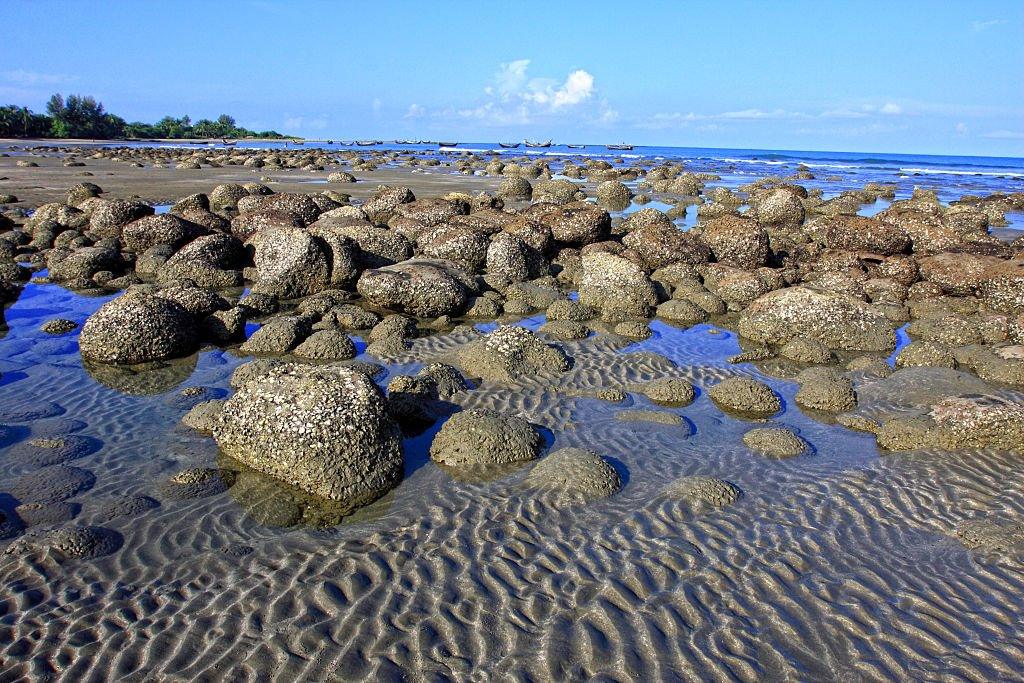
The island is known for its clear water, sandy beaches, coconut trees, and coral habitats. It is Bangladesh’s only coral island and supports a range of marine life that is important both ecologically and to the people who live there. Fishing has long been part of the local economy, while tourism has become another major source of income.
But the island is under growing pressure. More visitors, expanding tourism facilities, waste, damage to coral habitats, coastal erosion, and climate change are all affecting this small and fragile ecosystem. The challenge now is not simply how to attract visitors, but how to protect the island while allowing the people who depend on it to continue making a living.
Natural Beauty and Biodiversity
Saint Martin’s is a small island, but its natural environment is remarkably diverse. Turquoise water, sandy beaches, coconut trees, rocky areas, and shallow marine habitats come together to create a landscape that is quite different from most other coastal areas of Bangladesh. Below the water, coral habitats provide shelter and feeding grounds for a wide range of marine species.
The island and its surrounding waters support more than 230 species of finfish, along with different species of mollusks, crustaceans, and corals. At different times of the year, the area is also used by migratory birds and sea turtles. So the island is important not only as a tourist destination but also as part of a much larger coastal ecosystem.
To protect this marine environment, the government has established a Marine Protected Area (MPA) covering 1,743 square kilometers around Saint Martin’s. The idea is to protect marine habitats, regulate activities such as fishing, and create a framework for using the surrounding waters more sustainably.
[source]

Tourism and Environmental Impact
Tourism has been both an opportunity and a problem for Saint Martin’s Island. It has created income for local families through hotels, restaurants, boats, transport services, shops, and other businesses. For many residents, tourism has become an important part of the local economy.
At the same time, the rapid growth of tourism has placed considerable pressure on the island. Boats dropping anchors on coral areas, plastic and other waste, sewage, heavy visitor traffic, and poorly planned construction can all damage an ecosystem that has very little room to absorb additional pressure.
Research published in ScienceDirect reported that coral reef coverage around the island declined by approximately 25% between 2015 and 2022. That is significant because coral reefs provide habitat for many marine species and help support the wider coastal ecosystem. If the damage continues, the island could gradually lose some of the natural features that made it attractive in the first place.
[source]

Pollution is one of the main concerns for the future of Saint Martin's Island.
Climate Change Challenges
Climate change adds another layer of pressure. Saint Martin’s is small, low-lying, and exposed to the Bay of Bengal, so changes in sea level, storms, coastal erosion, and saltwater intrusion can have a direct effect on both the environment and the people living there.
With much of the island only around 3 to 5 meters above sea level, coastal flooding and erosion are serious concerns. Storm surges and high tides can damage the shoreline, while saltwater can affect freshwater sources and land. These changes also matter economically because many island residents depend directly or indirectly on fishing and other coastal activities.
Climate research has therefore emphasized the need for adaptation rather than waiting for the problems to become irreversible. Better coastal protection, careful management of natural resources, reliable early-warning systems, improved freshwater management, and stronger disaster preparedness will all become increasingly important. For an island this small, even gradual environmental changes can have major consequences.
[source]

Recent Developments: Tourism Restrictions and Local Reactions
As environmental concerns have grown, the Government of Bangladesh has introduced tighter controls on tourism to reduce pressure on the island. The measures are aimed at protecting the environment, but they have also created concern among local residents, hotel owners, restaurant operators, boatmen, and other people whose income depends on visitors.
Key Restrictions Implemented
- Daily tourist cap introduced: Starting from December, tourist arrivals will be limited to 2,000 visitors per day during the peak months of December and January. This is substantially lower than the previous peak of up to 6,000 visitors a day on some weekends.
- Overnight stays restricted: In November, tourists will be prohibited from staying overnight, reducing the amount of time visitors spend on the island and the pressure placed on its limited resources.
- Temporary closure in February: Authorities plan to close the island completely in February for cleaning and other environmental restoration activities.

The dogs are skinny as they starve for six months of the year due to a shortage of food as hotels and restaurants on the island are closed during the entire off-season. Photo: Mostafigur Rahman
Stakeholder Investments and Economic Concerns
These restrictions have obvious economic consequences. According to official estimates cited in The Business Standard, the tourism sector supports around 6,000 jobs on an island with a population of roughly 8,000. Those jobs include boat operators, hotel and restaurant workers, tour guides, shopkeepers, and small business owners.
The scale of private investment is also considerable. Hotel owners, tour operators, and other investors have reportedly put more than ৳1,000 crore (over USD 90 million) into tourism infrastructure, including around 200 hotels and resorts and 150 restaurants. For many investors and local entrepreneurs, these businesses represent years of savings and their main source of income.
[source]
That is why the restrictions have created frustration among some local businesses. Environmental protection is widely accepted as necessary, but business owners argue that sudden changes can be difficult to absorb, particularly when they have already invested heavily in facilities designed for the tourism season. The debate is therefore not simply about whether tourism should be restricted. It is also about how those restrictions should be designed and introduced.
Calls for Balanced Policy and Local Inclusion
There is growing support for a more measured approach based on scientific data and local participation. Organizations such as the Saint Martin Poribesh and Parjatan Oikya Unnayan Jote have submitted a 19-point proposal to the government. Their recommendations include visitor registration, scientifically determined visitor limits, better control of boat traffic, and improved waste-management infrastructure.
The basic question is difficult but straightforward: how can Saint Martin’s be protected without destroying the economic base of the people who live there? The answer will probably require cooperation between government agencies, local residents, environmental scientists, tourism businesses, and conservation organizations. Decisions made without local participation are unlikely to work well over the long term.

Government Policies and Conservation Efforts
As the environmental problems around Saint Martin’s have become more visible, the Government of Bangladesh has introduced several measures aimed at reducing pressure on the island. The focus has increasingly shifted from simply promoting tourism toward managing the island as a fragile ecological area.
One of the major measures is the restriction of tourism during the monsoon season, when weather conditions and the island’s natural environment are particularly vulnerable. Authorities have also introduced stronger measures related to waste management, including efforts to control solid waste and reduce the use of plastic.
Awareness programs have also been used to encourage more responsible behavior among visitors and residents. The establishment of the Marine Protected Area (MPA) covering 1,743 square kilometers around the island is another important step. The MPA provides a framework for protecting marine habitats, regulating fishing, and managing the surrounding marine resources.
These measures are important, but regulations alone will not solve the problem. Their success will depend on consistent enforcement, adequate infrastructure, scientific monitoring, and the involvement of the people who live and work on the island.
[source]

Department of Mass Communication and Journalism students from the University of Rajshahi in Bangladesh held volunteer service to eliminate plastic pollution in Saint Martin Island.
Geopolitical Significance and Sovereignty Concerns
Saint Martin’s Island is important for another reason as well: its location. It sits near the maritime boundary between Bangladesh and Myanmar, in the northeastern part of the Bay of Bengal. That gives the island significance beyond tourism and environmental conservation, particularly in discussions about maritime security and regional geopolitics.
The International Tribunal for the Law of the Sea (ITLOS) settled Bangladesh’s maritime boundary dispute with Myanmar in 2012. The ruling recognized Bangladesh’s rights over the maritime areas surrounding Saint Martin’s Island and helped establish a clearer legal framework for Bangladesh’s maritime jurisdiction.

In recent years, however, the island has again attracted attention because of wider geopolitical tensions in the Bay of Bengal. There have been claims and speculation about possible strategic interest from foreign powers, including the United States. Such claims have generated considerable discussion in Bangladesh, although claims about foreign military or strategic plans should be treated carefully unless supported by clear official evidence.
For Bangladesh, the important point is that Saint Martin’s is part of its sovereign territory and sits in a strategically sensitive maritime region. Protecting that sovereignty does not require turning every geopolitical rumor into a crisis. It requires clear policy, sound diplomacy, reliable information, and a consistent understanding of Bangladesh’s maritime interests.
[source]

Location of St. Martin’s Island in the Bay of Bengal.
St. Martin’s Island lies in the Bay of Bengal and holds both environmental and strategic importance for Bangladesh.
Public Perception and Local Concerns
For the people who live on Saint Martin’s Island, the island is much more than a tourist destination. It is their home and the center of their livelihoods. Fishing, coconut cultivation, small businesses, boat services, and tourism have supported generations of island residents.
That is why discussions about foreign strategic interest or possible military involvement can create understandable anxiety. Residents worry about what such developments might mean for their homes, traditional livelihoods, and access to the sea. At the same time, they are already dealing with the effects of environmental degradation, waste, changing weather, and restrictions on tourism.

Public discussion in Bangladesh has generally reflected a strong attachment to the island and concern about its future. Many people see Saint Martin’s as part of the country’s natural and national heritage. That makes transparency particularly important. Policies affecting the island should be clearly explained, based on evidence, and developed with the participation of the people who actually live there.
[source]
Balancing Tourism, Conservation, and Sovereignty
Saint Martin’s does not have the luxury of choosing between tourism, conservation, and the interests of its residents. All three are connected. Tourism provides income, the natural environment supports both tourism and local livelihoods, and the island remains part of Bangladesh’s sovereign territory. A workable policy has to take all of these realities into account.
Several measures could help achieve that balance:
- Implementing sustainable tourism practices: Set visitor limits according to the island’s actual environmental capacity, encourage environmentally responsible accommodation, and make tourists aware of the consequences of littering, damaging coral, and wasting freshwater.
- Enhancing environmental education: Help residents, businesses, boat operators, and visitors understand why coral reefs, marine life, coastal vegetation, and freshwater resources matter to the island’s future.
- Strengthening legal frameworks: Enforce existing rules on waste disposal, fishing, land use, boat movement, and construction, while making sure that enforcement is consistent rather than occasional.
- Engaging in diplomatic dialogue: Continue protecting Bangladesh’s maritime interests through international law and diplomacy while cooperating with neighboring countries and relevant international organizations on marine conservation and disaster preparedness.
The goal should not be to turn Saint Martin’s into a place that people can no longer visit, nor should it be to keep increasing tourist numbers until the island's ecosystem can no longer cope. The better approach is to find the level of tourism the island can actually sustain and manage it properly.
If that balance can be found, Saint Martin’s Island can remain both a source of livelihood for its people and an important part of Bangladesh’s natural heritage. Its future will depend less on how many tourists it can accommodate and more on whether the island’s ecological limits are respected.

Conclusion: Safeguarding the Jewel of the Bay of Bengal
Saint Martin’s Island is at a difficult point in its history. Its beaches, coral habitats, marine life, and unique landscape have made it one of Bangladesh’s best-known destinations, but the same popularity has put considerable pressure on the island. Tourism, pollution, coral degradation, coastal hazards, and climate change are no longer separate problems. They are increasingly connected.
The answer is not to choose the environment over the people or the people over the environment. The island needs both. Government agencies, local communities, scientists, conservation groups, and tourism businesses all have a role to play in deciding what kind of tourism the island can support and how its natural resources should be managed.
Saint Martin’s Island does not need to remain untouched to survive, but it does need to be treated according to its limits. If tourism is managed carefully, environmental rules are actually enforced, local people are included in decision-making, and the island’s sovereignty and marine environment are protected, this small piece of land in the Bay of Bengal can remain what it has always been to Bangladesh: a remarkable natural place worth protecting.
Leave a comment
Or Drop Me an Email!